
Motability Power Wheels to use EVs to help disabled during power cuts
A new project from Motability Operations and Ofgem is examining how electric cars could help keep essential medical equipment running during power cuts.
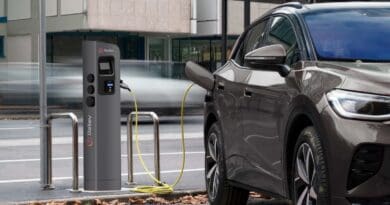
The Power Wheels project is working with Motability customers in England’s North East to assess how EVs with bi-directional charging could be used as back-up power supplies for medical devices and mobility aids when the main power is down.
There are more than 12,500 Motability Scheme customers in the North East and the scheme supports almost 900,000 drivers across the UK. While a power cut is an inconvenience for most people, for disabled or medically dependant households it can pose a serious risk to health.
By using the increasingly common vehicle-to-load function on EVs, the project hopes to keep vital medical equipment operating seamlessly.
The project began by working with customers on the Motability Scheme to examine the practical features needed to make EV energy services safe, reliable and easy to use. This included exploring how accessible two-way chargers return energy from EVs; being able to charge medical equipment and mobility aids directly from an EV; and the accessible controls and information needed to make it as easy as possible for disabled individuals.
The next stage of the scheme will see Motability Operations work with 30 customers to trial systems and inform future roll-out of the technology.
Andrew Miller, chief executive of Motability Operations, said: “As the UK moves to electric vehicles, it’s vital that this transition supports disabled people’s freedom and independence, and that new technologies are designed around real lives and needs.
“Power Wheels gives us the opportunity to work closely with customers and partners to explore how EVs could offer more than mobility – but support their medical resilience, helping people feel safer and more confident when disruption happens.”
As well as providing EVs to Motability Scheme drivers, Motability Operations is working with car makers to develop specially adapted vehicles to meet its customers’ needs. In 2025, it teamed up with Kia to develop a wheelchair-accessible vehicle (WAV) based on the Kia PV5 van. Unlike most WAVs, which are adapted by third-party converters, the PV5 will built by Kia in its South Korean factory alongside other versions of the PV5. The first models are expected to arrive in the UK before the end of 2026.