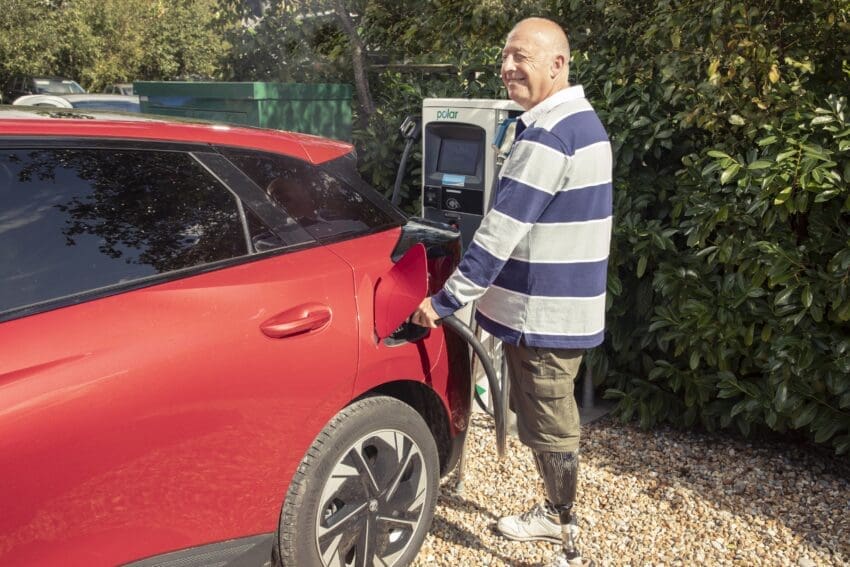
Electric cars invite a different kind of scrutiny. With smooth bodywork, flush door handles and dramatic lighting signatures, the paint becomes a big part of the car’s personality.
On a quiet EV, colour and finish do some of the work that engine noise and exhausts once did. Owners tend to keep them for longer too, which makes smart choices about colour, finish and ongoing care more important than many people expect.
There is another twist. The average EV is heavier and often accelerates harder than an equivalent petrol car, which means more debris kicked up by tyres and more stone chips on lower panels and sills. Combine that with fast-charging road trips, regular use of public chargers and tight city parking, and the paintwork has a busy life from day one.
Whether you are ordering a new EV, hunting for a used one, or thinking about refreshing the bodywork of a car you already own, understanding the basics of modern paint systems will help you keep the car looking sharp and protect its value.
Choosing the right finish for your EV
Before you start thinking about products, it helps to get clear on what type of finish you actually want to live with. Car configurators are full of bold multi-coat colours and temptingly deep matte finishes, but the day-to-day reality can be very different from the promo shots.
Solid, metallic or matte: what really suits daily use?
Solid paints are usually the entry-level option. They tend to be easier and cheaper to repair, especially for small scuffs and bumper scrapes. On city-focused EVs that live in tight multi-storey car parks and narrow streets, a simple solid white or red can be a smart, low-stress choice. They also hide light swirl marks better than very dark metallics.
Metallic and pearlescent finishes add depth and sparkle, which can really complement the clean surfacing on many EVs. On larger electric SUVs, a strong metallic colour prevents big flat panels from looking slab-sided. The trade-off is that metallics are more sensitive to preparation and blending if you ever need panel work, so you want a good bodyshop lined up before problems arise.
Matte and satin paints are the poster child of premium electric models. They look sensational under studio lights and give a concept-car feel on the road. Owners quickly discover they are less forgiving of poor washing habits and accidental contact with fuel pumps, bird droppings or tree sap. If you love the look but do not want the maintenance headache, consider a standard gloss colour paired with a high-quality satin paint protection film.
Colour, resale and visibility
Electric cars still attract attention, which can be handy or unwelcome depending on your preferences. Bright signature shades suit compact EVs and hot hatchbacks, where owners often enjoy the extra theatre. On executive saloons or fleet EVs, understated greys, silvers and blues usually age more gracefully and appeal to a wider pool of second owners.
Practicality matters too. Light colours highlight the crisp lines of an EV and tend to run cooler in strong sunlight, which is worth thinking about if your car lives on the street. Dark colours look sophisticated but show road grime and swirl marks sooner, and can make small city cars feel visually smaller but more high-maintenance.
If you already own an older EV whose paint has seen better days, a professional respray in a well-chosen shade can transform the car. An accurate colour match, similar to what you get when selecting factory-equivalent paint for your car, helps panels blend naturally without odd tonal shifts in changing light.
Understanding modern automotive paint systems
Beneath the glossy surface of your EV is a layered system designed to resist corrosion, UV damage and mechanical wear. Electric platforms do not change the fundamentals of paint chemistry, but some details about construction and use do influence how that system performs.
Primer, basecoat and clearcoat explained
Most modern cars use a multi-layer system. Primer bonds to the bare metal or composite surface and provides corrosion resistance on steel panels. The basecoat is where the colour lives, whether that is a solid, metallic or pearl formula. On top of that sits a clearcoat, which gives the gloss and the majority of the UV protection, while also providing the surface you touch, wash and polish.
On some EVs, especially those with aluminium or mixed-material construction, panel thickness can vary more than on traditional cars. That makes consistent preparation and application even more important during any repaint or smart repair. A good auto body shop will take digital paint thickness readings before working to avoid sanding too aggressively into thinner areas.
Why EVs are hard on lower paintwork
The instant torque of powerful electric drivetrains means enthusiastic launches can shower the underside and rear quarters in grit and stones. Couple that with wide tyres and open wheel designs, and you end up with a lot of stress on paint around arches, sills and the rear bumper. Commercial EVs have an extra challenge, with loading and unloading bumping against painted bumpers and sliding door sills.
Stone chip films or sacrificial coatings on these high-impact areas make sense, especially if you regularly drive on coarse tarmac or rural roads. Even a basic transparent film strip along the rear bumper lip can spare you from a network of scratches from sliding heavy items in and out of the boot.
Practical paint care for electric car owners
Keeping an EV looking good is less about buying shelves of products and more about building a simple, repeatable routine. Time spent washing and protecting the paint can also reveal small issues before they become bigger problems, like a charging cable that always rubs the same edge of a bumper, or a home charger position that encourages you to brush a hedge on the way in.
Smart washing routines that avoid damage
Automatic car washes might be fast, but on dark or delicate finishes they can quickly leave swirl marks and fine scratches. A contactless pre-rinse to remove grit, followed by a gentle hand wash using two buckets and a soft wash mitt, is kinder to clearcoat. If that sounds like too much effort every time, alternating between careful contact washes and touchless jet wash cycles is a workable compromise.
Pay attention to home charging habits. If you are frequently dragging a dirty cable across the same painted area, consider a cable hook or wall bracket, or reposition the charger to avoid rubbing the same panel. It sounds trivial, but over months the friction can dull even very hard clearcoats.
Dealing with bird droppings, sap and road film
EVs that spend long hours parked under trees outside offices, depots or train stations are especially vulnerable to organic fallout. Bird droppings and tree sap can etch into clearcoat surprisingly quickly in warm weather. A simple spray bottle of gentle quick detailer and a soft microfibre cloth in the boot can save you from permanent marks if you catch them early.
Frequent motorway driving in commercial EVs leads to heavy road film and bug splatter on front ends. Pre-soaking these areas with a dedicated bug remover before washing helps soften residues so you do not have to scrub aggressively. For high-mileage vehicles, a hydrophobic sealant or wax on the nose and mirrors can make subsequent cleaning easier.
Repairing and refreshing EV paint safely
Despite best efforts, even the most careful EV owner picks up stone chips, scratches and minor scars. Addressing these promptly not only improves how the car looks, it protects metal panels from corrosion and plastic parts from degrading in sunlight.
When DIY touch-ups make sense
Small stone chips on the bonnet or leading edges of wheel arches are often good candidates for DIY touch-up kits. Accurate colour codes, usually found on a door jamb sticker or in the handbook, help you source paint that blends with your original finish. Thin layers, patience and careful cleaning beforehand are far more important than trying to fill the chip in one application.
Shallow scratches in the clearcoat that you can barely feel with a fingernail often respond well to gentle machine polishing or hand-applied compound, followed by a protective layer of wax or sealant. Deeper scratches that have pierced the basecoat or exposed primer are better handled by a professional, especially on complex metallic or matte finishes.
When to choose a professional respray
If your EV has mismatched panels from earlier repairs, extensive clearcoat failure from neglected sun damage, or serious cosmetic damage on multiple sides, a professional respray is usually the sensible option. This is especially true for leased vehicles approaching return, or electric models with strong used values where presentation has a clear impact on price.
A good bodyshop experienced with EVs will know how to safely isolate high-voltage components before work, manage masking around charge ports and sensors, and replicate factory texture on bumpers and trims. It is worth asking how they match colours and blend neighbouring panels, particularly on tri-coat pearls and bold signature shades common on new electric models.
With the right paint choice, sensible protection on high-wear areas and a simple washing routine, modern EVs can keep their fresh, futuristic look well into high mileage. That way the car’s design and technology feel as modern on year six as they did on day one, whether it is a compact city runabout, a long-range family SUV or a hard-working electric van.