


Key figures in the UK’s EV industry have called for EV charging stations to be as clearly signposted as petrol stations.
Welcoming the Government’s appeal for evidence on EV signage, industry leaders said that clear and consistent signage was one of the simplest ways to help the EV transition.
Industry research shows that more than half of drivers look out for roadside signs to charging locations and 90% of drivers say clear physical signage is important to them.
In response to this and the Office for Zero Emissions Vehicles’ appeal for input, bosses at InstaVolt, char.gy, Electric Vehicles UK and Octopus Electric Vehicles issued a coordinated response calling for consistent guidelines.
Delvin Lane, CEO of InstaVolt, said: “Right now, EV charging locations are treated very differently to petrol stations in the rules that govern road signs. That means thousands of high-quality public chargers are installed, operating, but not obviously signposted from key routes.
“If we want drivers to feel confident going electric, that has to change.”
In their response, the groups said the UK had a “visibility problem, not an infrastructure problem”. They said that local and national authorities along with the UK’s trunk road operators need to develop consistent symbols for EV charging and ensure that EV signage is put on an equal footing with fuel stations in regulations.
They also said that it was vital to ensure sites on smaller routes and in residential areas were as clearly signposted as hubs along major motorways and A roads.
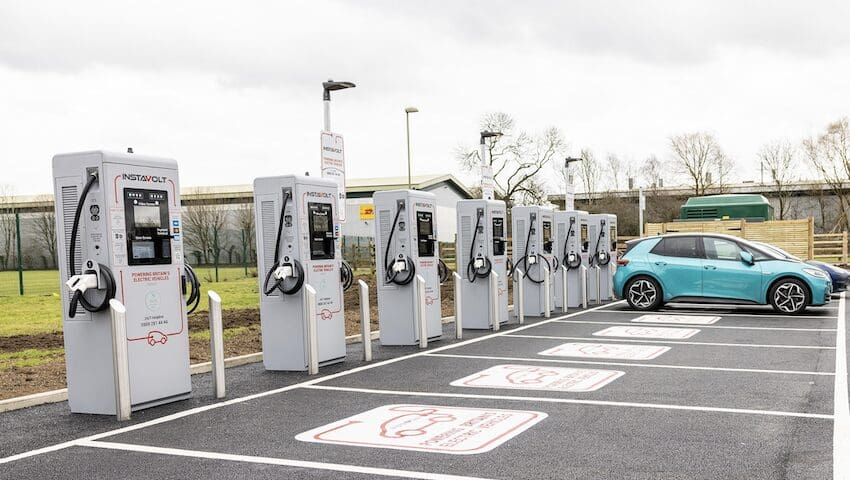
Last year chargepoint operators raised concerns that proposed road sign rules effectively blocked them from signposting major charging hubs.
Tayna Sinclair, CEO of lobby group Electric Vehicles UK, said: “Drivers cannot use infrastructure they cannot see. If we are serious about confidence in the EV transition, charging must be signposted as clearly and consistently as petrol. This is not a technology issue. It is a visibility issue, and if we can fix it, we will bring confidence to current and future EV drivers.”
She added: “Other than the vehicles themselves, signage is one of the most visible ways drivers build confidence in going electric. Clear, consistent signage makes charging feel normal and navigable. It’s why many countries have moved quickly to standardise it. The UK has not. That lack of progress is frustrating, because this is one of the simplest and lowest-cost ways government could support driver confidence and accelerate adoption.”
John Lewis, CEO of char.gy, said clearly signposting kerbside charging in residential areas was also vital to helping those feel comfortable with going electric.
He noted: Clear, consistent signage can make home-adjacent charging visible to residents who don’t have off-street parking, helping them understand that switching to an EV is realistic for them.
“It can also reduce anxiety and confusion for new and prospective EV drivers by showing, at a glance, that charging is available on ordinary streets, not just at retail parks and motorways. And it can maximise the impact of existing investment in charging infrastructure; a charge point that isn’t clearly signposted or identifiable from the road isn’t delivering its full potential.”


