Electric vehicles (EVs) hold their value differently than traditional cars. While you don’t have to worry about oil changes or exhaust systems, there are still things that can make your EV worth more — or less — when it’s time to sell or insure it.
Whether you drive a Tesla, Nissan Leaf, or an electric classic conversion, understanding what appraisers look for can help you protect your investment.
If you ever need a professional opinion, Auto Appraisal Network explains how certified appraisers evaluate EVs for insurance, resale, or agreed value purposes. But first, let’s talk about what you can do day to day to keep your EV’s value strong.
Keep Your Battery Healthy
The battery is the heart (and the costliest part) of your EV. Appraisers pay close attention to its health and performance because it directly affects the car’s range and resale price.
To maintain battery life:
- Avoid charging to 100% all the time. Keeping the battery between 20% and 80% for daily use helps slow down degradation.
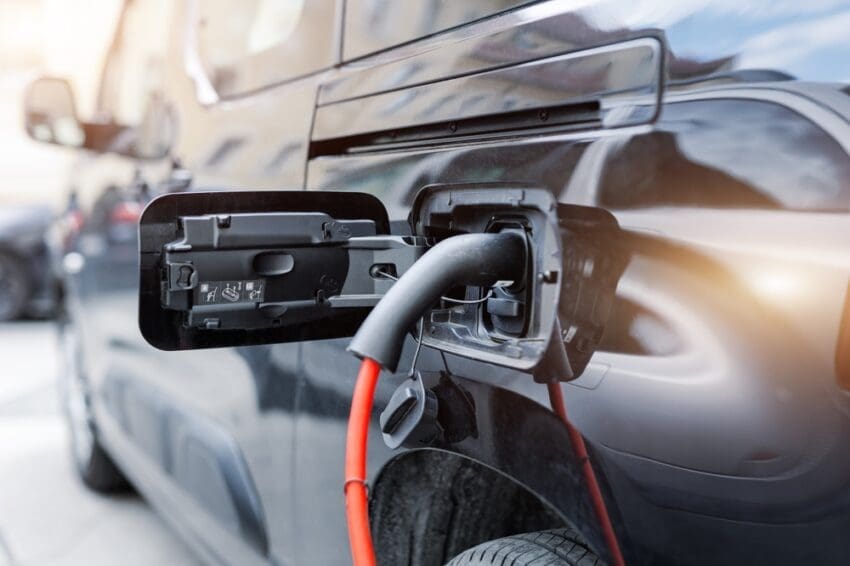
- Use fast charging sparingly. It’s convenient, but it creates extra heat, which can wear the battery faster over time.
- Park smart. Extreme heat and cold can reduce capacity. If you can, keep your EV in a garage or shaded area.
A healthy battery can add thousands to an appraisal. On the other hand, if it shows signs of heavy degradation, it’s one of the fastest ways your car loses value.
Keep Records — Everything Counts
Unlike fuel cars, EVs don’t have many moving parts. That’s good news, but it also means paperwork and maintenance records matter more. Appraisers and buyers want proof that your EV has been cared for.
Keep these handy:
- Service invoices (even for small checks)
- Battery health reports from your dealership or manufacturer app
- Charging history or receipts for professional installations
- Warranty details for the battery and motor
When you can show a complete record, you build trust. It also helps an appraiser assign a higher “condition rating,” which directly affects your valuation.
Mind Your Software Updates
EVs are more like rolling computers than mechanical machines. Appraisers now check software versions, firmware history, and digital features because they affect performance and safety.
Most EVs automatically update over Wi-Fi, but it’s still on you to make sure updates are installed properly. Missing updates can cause lower range, slower charging, or even safety issues — all of which reduce value.
If you’ve added third-party modifications, like custom software or performance tweaks, keep documentation. These can either increase or decrease your car’s appraised value depending on quality and legitimacy.
Maintain the Exterior and Interior
Just like with any vehicle, appearance still matters. Paint condition, body panels, and interior wear all tell a story. EV appraisers often include dozens of detailed photos in their reports, and those images shape the first impression.
Wash and wax regularly, keep the interior clean, and handle minor issues (like wheel scuffs or seat wear) early. For EVs with premium materials or glass roofs, repairing small flaws quickly prevents them from becoming expensive problems later.
If you’ve installed aftermarket parts — new wheels, spoilers, wraps — document them. Quality parts and professional installations may add value, but cheap add-ons or DIY work can hurt it.

Understand Mileage and Usage Patterns
With EVs, mileage still matters — but how you drive can matter even more. Appraisers now use “usage profiles” from data logs to understand how the vehicle’s been driven. Hard acceleration, frequent deep discharges, or long periods without charging can show up in these reports.
Drive smoothly, avoid running the battery to empty, and keep it charged at a moderate level when parked long-term. These simple habits protect both performance and appraised value.
Battery Warranty and Replacement Options
If your EV still has a manufacturer battery warranty, that’s a big plus. It tells appraisers and buyers that the most expensive component is still covered. Most EVs come with 8-year or 100,000-mile warranties, but check your paperwork.
If you’ve replaced the battery, keep full documentation — parts, serial numbers, installer details, and test results. A certified replacement can maintain or even raise value, but an unknown or unofficial unit can do the opposite.
Stay Updated on the Market
EV values fluctuate faster than traditional cars. New models, government incentives, and tech improvements can change demand almost overnight.
Appraisers often use recent comparable sales to judge fair market value. That means keeping up with current prices for your model helps you understand where you stand — and when might be the best time to sell.
Websites like AutoTrader, Electrifying.com, and even auction results can give you a sense of what similar EVs are selling for.
Handle Accidents the Right Way
Even a minor collision can reduce an EV’s value, especially if the battery or high-voltage system was affected. Always choose a repair shop certified to handle EVs.
Keep detailed repair invoices and diagnostic reports. If you ever need a diminished value appraisal (the loss in market value after an accident), those records make the difference between a fair payout and a lower offer.
Think Long-Term
EV technology moves quickly. While it’s tempting to chase every new feature, appraisers value consistency and documentation more than novelty. Keep your original charging cable, manuals, and accessories. Small details like those make a used EV look complete — and worth more.
If you plan to modify or personalize your EV, think about future buyers. Will they see it as an upgrade or a quirk? Quality workmanship and tasteful improvements tend to add value; one-off experiments don’t.
Final Thoughts
Maintaining your EV’s value isn’t just about taking care of the car — it’s about building a clear story of responsible ownership. Appraisers look for solid evidence: a healthy battery, clean service records, good condition, and thoughtful use.
You don’t need to be a car expert or tech whiz. Just focus on consistent care and documentation. When it’s time for an appraisal or sale, your EV will stand out as one that’s been well-loved and well-maintained — and that always shows up in the final number.