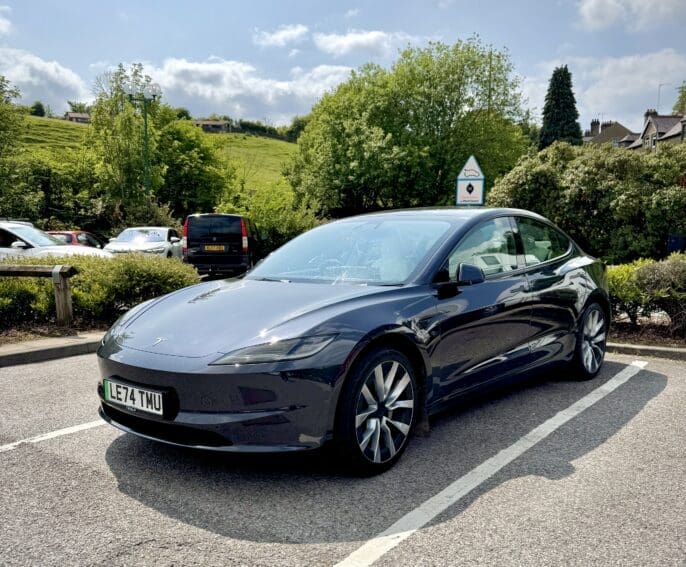
Not long ago, Tesla was almost shorthand for “electric car”. It was the brand that made EVs feel fast, desirable and properly modern.
Now the UK market looks very different. BYD’s rapid rise suggests that EV brand trust is being rewritten faster than many established carmakers expected.
Tesla Changed the EV Conversation, but It No Longer Owns It
Tesla deserves credit for changing the way many drivers thought about electric cars. Before the Model S, Model 3 and Model Y became familiar sights on UK roads, EVs were often seen as worthy, compromised or niche. Tesla made them aspirational. It sold performance, software, minimalism and a charging ecosystem at a time when many traditional carmakers were still treating electrification as a future problem.
But markets mature. Early adopters give way to mainstream buyers. The questions change from “Can I live with an EV?” to “Which EV gives me the best mix of range, price, comfort, tech, warranty and support?” Once that happens, no brand gets a free pass.
Why BYD’s UK Rise Is More Than a Sales Story
BYD’s rise in the UK is striking because it has happened so quickly. According to figures reported by EVPowered in May 2026, BYD became the UK’s best-selling electric vehicle brand in 2026 to date, with 12,754 electric cars sold since the start of the year. Include its plug-in DM-i hybrid models and the brand reached 26,396 vehicles, giving it a 9.5% market share.
That would be impressive for any manufacturer. It is more notable because BYD only entered the UK market in early 2023. In car industry terms, that is barely enough time to become familiar, let alone trusted.
Value is clearly part of the appeal. Many households are weighing EV prices, finance rates and running costs against the familiar economics of petrol and diesel. A competitive offer gets attention, but BYD’s story is not simply “cheap cars sell”. What is happening is broader: UK buyers are becoming more open to unfamiliar badges when the product feels credible and the ownership case is easy to understand.
EV Buyers Are More Willing to Rethink Brand Loyalty
Switching to an electric car is not like replacing one petrol hatchback with another. It changes the rhythm of ownership. Drivers think about home charging, public chargers, battery health, range in winter, software updates, apps, route planning and resale values. Even the test drive is different, because instant torque and regenerative braking can make a car feel unlike anything a driver has owned before.
That creates a rare reset moment. If a buyer is already changing how they drive, refuel and plan journeys, they may also be more willing to change the brand on the bonnet.
This is where newer entrants can move faster than traditional automotive logic might suggest. A driver who has bought the same combustion-engine brand for 20 years may not automatically believe that brand has built the best EV. The old hierarchy of trust does not disappear, but it becomes less rigid.
In the EV market, heritage helps only if it is matched by product confidence. Buyers want evidence that the car will fit their lives, not just a badge with decades of history behind it.
As new names challenge legacy carmakers, automotive insight from Savanta can help brands understand whether buyers are choosing on price, technology, reputation or long-term confidence.
Trust in EVs Is Built Around Batteries, Software and Everyday Usability
In the petrol and diesel era, trust was often built around engines, reliability, dealer networks and resale values. Those things still matter, but EVs have added new layers.
A buyer now wants to know whether the battery will last, whether the quoted range is believable, whether the infotainment system will age well and whether the car will improve through updates or become frustrating after a few months. They want a smooth handover, honest charging guidance and aftersales teams that understand the technology rather than treating it as an awkward add-on.
That is why EV trust can be built quickly, but also damaged quickly. A strong first ownership experience can make a new brand feel established. A confusing app, unreliable software or poor dealer advice can make even a famous badge feel behind the curve.
BYD has an advantage here because batteries are central to its story. The company is not just a carmaker that has moved into EVs; it is a battery giant that has moved confidently into cars. For buyers who are trying to work out which brands really understand electrification, that matters.
Legacy Carmakers Can’t Rely on Yesterday’s Reputation
For established manufacturers, the lesson is uncomfortable but useful. A strong badge is still valuable, but it is not enough. The EV transition has given buyers permission to compare brands on new terms.
That means legacy carmakers cannot assume that decades of petrol and diesel credibility will automatically transfer to electric models. They have to prove that their EVs are easy to choose, easy to live with and easy to understand. They also have to make the buying process simpler, because many EV shoppers are still trying to separate useful information from marketing noise.
Dealers have a big role here. A salesperson who can explain charging tariffs, battery warranties and real-world range calmly and clearly can build more confidence than a glossy advert. Equally, a poor showroom experience can undo months of brand-building in minutes.