


MG has announced that it will launch its upcoming European-spec MG4 with a semi-solid-state battery (SSSB) by the end of 2026, albeit without an exact release date.
In MG’s Chinese home market, the semi-solid-state battery MG4 Urban gets a 54kWh manganese-based lithium-ion battery capable of 328 miles on a single charge.
However, this is on the generous Chinese CLTC cycle, which tends to quote 15%-20% more range than the European WLTP test. Nonetheless, this still translates into around 280 miles, which is more than healthy for a car aimed at the likes of the Renault 5, Citroen e-C3, and Hyundai Inster.
As well as some 20 miles more range than the existing MG4 Urban, MG says that Chinese market versions of the semi-solid-state car charges from 30%-80% in 21 minutes – seven minutes quicker than the non-SSSB model. No direct fast-charging figure has been announced yet.
Given the additional tech, it is expected that the semi-solid-state MG4 will command a small premium over the outgoing model when it arrives by the end of this year. For reference, the existing car is priced from £24,495.
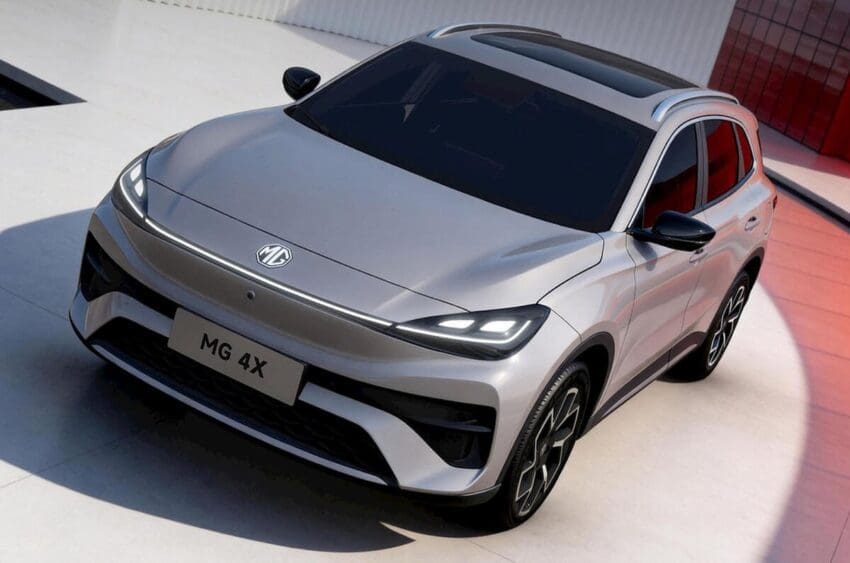
Post-launch, MG will introduce its SSSB tech to other all-electric models, including the 4X, which it revealed online earlier this month. While the range of MG’s first-generation semi-solid-state batteries are not as impressive as what Mercedes achieved with an SSB-driven EQS last year, the Chinese-owned brand’s system promises a wider bandwidth of operating temperatures, with 15% quicker charging in cold weather.
For now, MG’s solid- and semi-solid state batteries have roughly the same energy density as existing packs. However, they return higher energy density rates, allowing for increased ranges in the future, as well as the same range as current units a lighter, cheaper package.
MG and Mercedes aren’t the only carmaker to be looking into the advantages of SSB and SSSB technologies. Toyota has long been exploring their benefits, and the Volkswagen Group is aiming to have solid-state batteries ready for production by 2030.


