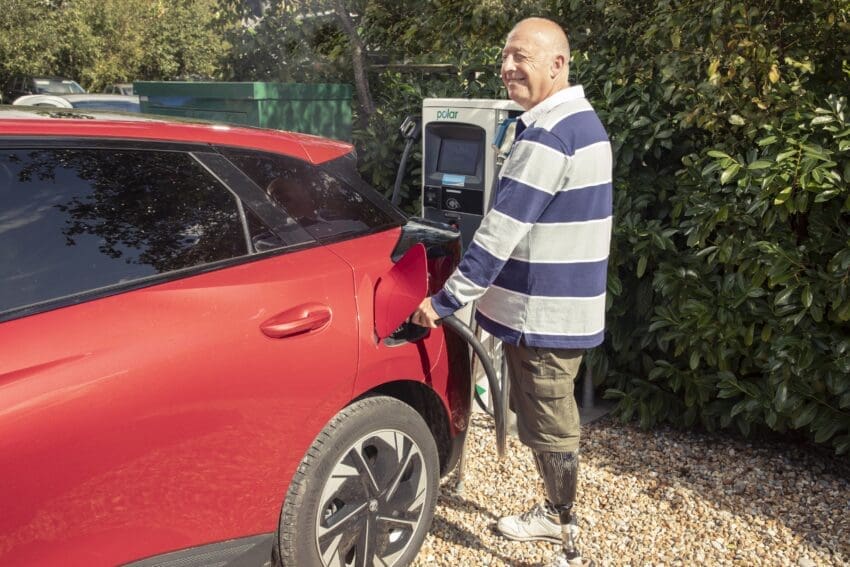
For many UK motorists, rising fuel prices have become an increasingly familiar concern.
Every increase at the petrol station affects household budgets, commuting costs, and even long-distance travel plans.
While fuel prices have always fluctuated, recent spikes have encouraged more drivers to rethink what they drive rather than simply where they fill up.
As a result, hybrid and electric vehicles (EVs) have continued to attract attention not only because of their environmental benefits but also because they offer an alternative to unpredictable fuel costs.
Across the UK, this changing mindset reflects a broader shift in how consumers evaluate vehicle ownership.
Fuel Prices Are Changing Buying Habits
Historically, petrol prices influenced how often people drove. Today, they are influencing what people choose to drive.
The total cost of owning a vehicle extends far beyond the showroom price. Fuel expenses, servicing, maintenance, and taxation all contribute to long-term ownership costs.
When petrol prices rise sharply, hybrids and EVs become increasingly attractive because they reduce or eliminate dependence on conventional fuel.
Battery electric vehicles rely entirely on electricity, while hybrids combine electric power with traditional engines to improve fuel efficiency. Both options can soften the financial impact of volatile fuel markets.
The UK’s continued investment in charging infrastructure and growing availability of EV models have also made the transition easier than it was only a few years ago.
Industry observers continue to see growing consumer interest as manufacturers introduce more affordable models and governments support wider adoption.
Why Hybrid Vehicles Still Appeal to Many Drivers
Although fully electric vehicles receive much of the attention, hybrids remain an important stepping stone.
Many drivers appreciate the familiarity of a petrol engine while benefiting from improved fuel economy during city driving. For those who are not yet ready to rely entirely on public charging infrastructure, hybrid vehicles offer a practical compromise.
This flexibility is particularly valuable for motorists who regularly travel long distances or live in areas where charging stations are still developing.
Rather than viewing hybrids as a temporary solution, many consumers see them as an effective balance between current needs and future mobility.
Lessons Beyond the UK
The UK’s experience isn’t unique.
Countries such as the Philippines continue to experience fuel price fluctuations driven by global oil markets.
While EV adoption remains relatively modest there due to infrastructure limitations and higher upfront costs, consumer awareness is steadily increasing.
More Filipino drivers are beginning to consider hybrid vehicles for everyday commuting, particularly in urban centres where stop-and-go traffic allows regenerative braking systems to operate more efficiently.
This demonstrates that, regardless of geography, rising fuel costs often encourage drivers to explore alternatives that offer greater long-term savings.
As charging networks expand and more manufacturers introduce competitively priced models, similar trends may emerge in other markets where fuel costs continue to influence everyday transportation decisions.
Ownership Is Becoming About Predictability
One of the biggest attractions of hybrid and electric vehicles is predictability.
Electricity prices can fluctuate, but they are generally less volatile than international oil markets. Combined with fewer moving parts and lower routine maintenance requirements, many EV owners find it easier to estimate their long-term running costs.
For households managing monthly budgets, this predictability can be just as valuable as outright savings.
Choosing a vehicle today increasingly resembles making a calculated decision rather than reacting to short-term circumstances, much like approaching a challenge strategically instead of leaving everything to chance.
In that sense, selecting the right powertrain isn’t unlike a well-planned move in a Jiligame title; success often comes from thoughtful choices rather than simply hoping for the best.
The Road Ahead
The transition away from petrol-powered vehicles will not happen overnight.
Charging infrastructure, purchase prices, and consumer confidence remain important considerations, and hybrids will likely continue playing a significant role alongside fully electric vehicles.
However, one trend is becoming increasingly clear:
As fuel prices continue to influence everyday driving costs, more motorists are looking beyond the next visit to the petrol station and considering what ownership will look like over the next five or ten years.
For many UK drivers, hybrid and electric vehicles are no longer simply an environmental choice.
They are becoming a practical response to a changing economic landscape, one where reducing dependence on petrol may prove just as valuable as reducing emissions.