Electric vehicle ownership looks very different in 2026 than it did even three years ago. Prices have fallen in several markets, charging networks have matured, and the long-promised cost parity with petrol and diesel is finally landing in many countries.
Yet the picture varies enormously depending on where we drive, what we drive, and how we charge.
We’ve been watching the numbers shift month by month, and one thing is clear: the old assumption that EVs are expensive to run is outdated. Still, the story isn’t simple, and the gap between markets is widening in unexpected ways.
The purchase price is coming down, slowly
Chinese manufacturers have reshaped the global EV landscape. Brands like BYD, Leapmotor, and MG have driven prices well below those of European and American rivals for comparable specs. As a result, legacy brands have been forced to discount aggressively. Ford, Honda, and Volkswagen have all trimmed prices on key models in the past year, and that pressure looks set to continue.
Even so, upfront cost remains the single biggest barrier for most buyers. The average new EV still costs more than the equivalent petrol model in most countries, though the gap has narrowed from roughly 40% a few years ago to closer to 10 to 15% today. Government grants, manufacturer incentives, and used-market growth all soften the blow, but not evenly across regions.
Charging costs have become a tale of two networks
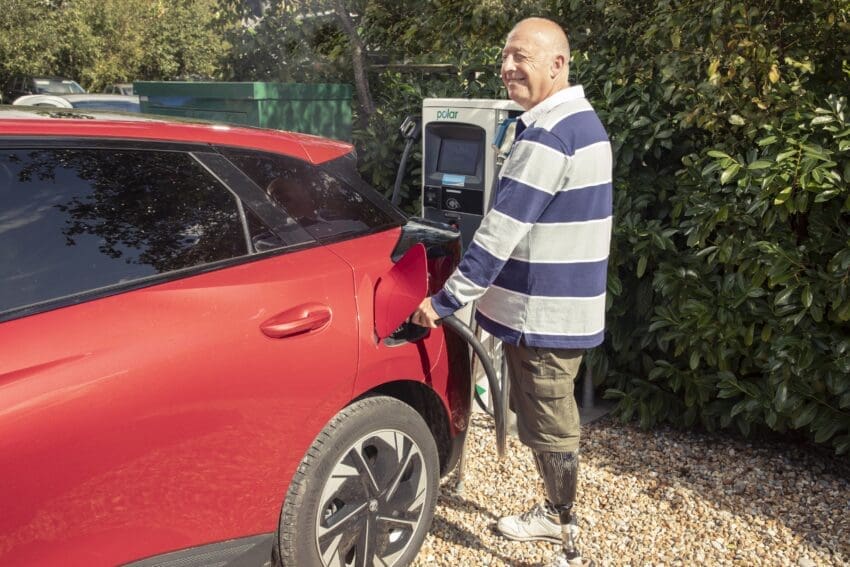
Home charging is now the cheapest way to run a car, full stop. In the UK, drivers on an EV-specific tariff can charge at rates as low as 6 to 8p per kWh, translating to around 2p per mile for a family EV. Compare that to roughly 15p per mile for a petrol equivalent, and the savings add up fast.
Public charging tells a different story. Rapid rates have climbed in most markets, driven by electricity prices, network build-out costs, and VAT structures that treat public charging differently from domestic energy. In Britain, public rapid charging can cost four to five times more than home charging per kWh, and similar patterns show up across Europe and North America.
For drivers without reliable home charging, the math gets trickier. Access to off-street parking has become one of the strongest predictors of whether EV ownership makes financial sense.
Servicing and maintenance: the clear EV win
Fewer moving parts means fewer things to break. Most studies across Britain, the US, and Europe show servicing costs running 30 to 40% lower than equivalent combustion models, with no oil changes, fewer filters, and significantly less brake wear thanks to regenerative braking. For a detailed breakdown of where those savings come from, this real cost of owning an EV analysis covers the full picture, from purchase through to resale.
Tyres are the exception. EVs are heavier than petrol counterparts and deliver instant torque, both of which accelerate tyre wear. Budgeting for an extra set every few years is sensible.
Insurance: the wildcard in total cost of ownership
Insurance has been the most volatile line item in EV ownership costs. In the early EV years, premiums ran significantly higher than combustion equivalents because repairers lacked the training and parts to fix battery-electric vehicles efficiently. That gap is closing as workshops catch up, data improves, and insurers build more accurate risk profiles.
Across major markets, EV premiums still tend to sit modestly above petrol models. Some of that reflects higher repair costs for damaged battery packs, which can write off a car that looks lightly damaged on the outside. Some reflect theft risk, or parts shortages, or simply a lack of historical claims data for newer models.
Policies vary enormously by country and by provider. In Britain, specialist EV insurers now compete alongside traditional carriers. In Australia, an EV insurance provider like NRMA offers the same cover options for electric and hybrid vehicles as for combustion ones, with tiered policies that let drivers match cover to budget. In the US, premium differences depend heavily on state regulation and model-specific claims data. Wherever we’re buying, getting three or four quotes before committing remains the single best way to avoid overpaying.
Depreciation has been brutal, and it’s getting better
Early EV adopters watched their cars lose value fast. Tesla price cuts, battery technology improvements, and a flood of new models all pushed resale values down sharply. One widely cited peer-reviewed study found an average three-year depreciation of around 51% for EVs versus 31% for combustion cars.
The gap is narrowing. As used EV supply has grown and buyer confidence in battery longevity has improved, resale values for popular models have stabilised. Research by Electric Vehicles UK shows that EV ownership can now work out almost £6,000 cheaper than petrol or diesel over a typical ownership period, even after factoring in depreciation.
Still, model choice matters enormously. Popular mainstream EVs hold value far better than niche luxury ones, and that pattern shows up consistently across markets.
Government policy keeps rewriting the rules
Policy shifts are probably the biggest source of year-to-year change in EV running costs. The UK’s Electric Car Grant and the introduction of Vehicle Excise Duty on EVs in 2025 are good examples. Norway, once the most EV-friendly market on earth, has scaled back tax advantages as adoption rates passed 90% of new sales. The United States has adjusted its federal tax credit structure multiple times, and tariffs on Chinese EVs are reshaping availability across Europe and North America.
Australian policy has moved more slowly but steadily. State-level rebates, fringe benefits tax exemptions for EVs, and the broader push toward fleet electrification have all made ownership more attractive over the past two years.
A regional snapshot
No two markets look the same, but a few patterns stand out:
- UK: Home charging is cheap, public charging is expensive, and insurance sits slightly above petrol averages. Overall running costs favour EVs comfortably for drivers with off-street parking.
- Europe (EU): Varies wildly. Norway, the Netherlands, and France lead on infrastructure. Southern markets are catching up faster than expected.
- United States: Home charging economics are strong in most states, public charging is patchy. Insurance varies massively by state and model.
- China: EV ownership is often cheaper than combustion across the board, with aggressive domestic pricing and mature charging networks.
- Australia: Charging infrastructure is still maturing, especially outside major cities. Running costs favour EVs, though upfront prices remain higher than in Europe or China.
Where costs are heading
The direction of travel is clear, even if the pace varies. Battery prices are still falling, charging infrastructure is expanding almost everywhere, insurance data is catching up, and secondhand EV markets are deepening. Most analysts expect EV running costs to drop below combustion equivalents in nearly every major market within the next five years.
A few things could slow progress. Electricity price volatility, trade disputes, and changes to government incentives all have the potential to reshape the numbers quickly. Drivers planning long-term purchases should factor in policy uncertainty, not just today’s sticker price.
The bottom line for global EV buyers
EV ownership is cheaper than ever in running cost terms, but the equation still depends heavily on home charging access, local incentives, and the specific model we choose. For drivers ready to do the maths properly, savings over a five or ten-year ownership window are real. For those without home charging or in markets with high public rates, the picture is more mixed.
The smart play in 2026 is to run the full sum, not just the headline price. Factor in charging costs for actual driving patterns, realistic insurance quotes, expected resale value, and any incentives we qualify for. The answer will look different for every driver, which is exactly why the cost of EV ownership has become one of the most interesting conversations in global motoring.