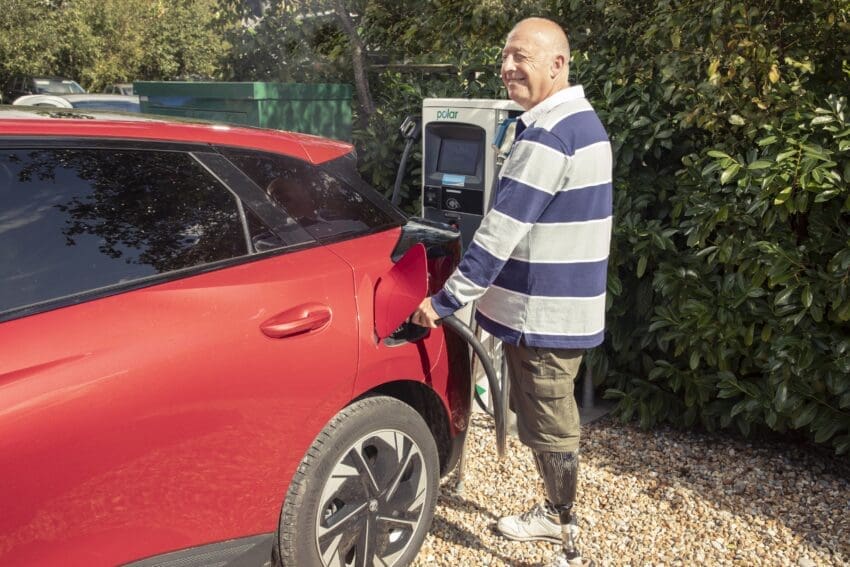
There are an estimated 1.9 million electric cars in the UK, a majority of them hitting the road every day. A good number of these visit detailing studios every two or three months after taking a hit from the elements, physical impact, or simply as a maintenance routine.
The market is huge, but setting the right price for EV detailing is often also a giant hurdle for growing shops. Many detailers undercharge because they treat a Tesla like a standard sedan, ignoring the specialized care required for high-tech surfaces and sensitive electronics. Conversely, overcharging clients can end up costing you future business.
Mastering your billing process does not just protect your margins. It also builds the professional trust needed to secure high-end clients. When your bills are more accurate, they often lead to better cash flow and much higher long-term revenue.
Calculate Your EV Labor and Overhead
Pricing starts with understanding that electric cars require a different pace than internal combustion vehicles. You must factor in the time spent navigating software-locked doors or protecting delicate charging ports from moisture intrusion. Many pros use a 2026 vehicle size multiplier to adjust rates, often suggesting a 1.2 to 1.3 times increase for larger models compared to standard compact cars.
Know your costs, track every minute, profit follows the data.
Master Itemized Billing for Specialized Care
Transparency is the secret to retaining premium EV owners who want to know exactly how their investment is being handled. Instead of a flat “Full Detail” fee, break your service down into specific line items like sensor-safe exterior washing and vegan leather conditioning. This level of detail justifies your premium rates and shows the client you understand the unique architecture of their vehicle.
The most efficient way to maintain this standard is to send detailed invoices for car detailing services using a professional template. An approach like this ensures you never miss charging for add-ons like aerodynamic wheel cover cleaning or touchscreen decontamination. Digital systems also allow you to store customer preferences for future visits.
Protect Your Margins with Package Tiers
Creating tiered packages allows you to guide customers toward the services that offer the most value for their specific vehicle needs. Most EV owners are looking for long-term paint protection to preserve the resale value of their high-tech commuters.
There are close to 1,300 new electric vehicles hitting the road every day give or take. To capture this market, you should offer these standard options:
- The Essential EV Wash, which covers exterior decontamination and glass
- The Tech Interior Special, focusing on screen protection and microfiber surfaces
- The Total Kilowatt Package, including full ceramic coating and trim restoration
Accounting for Mobile EV Service Challenges
Mobile detailing adds a layer of complexity to your billing because of the fluctuating costs of travel and equipment maintenance. You must decide whether to charge a flat mobile fee or a mileage-based rate to stay profitable. Industry data shows the mobile detailing sector is surging, with gross margins above 60% for specialists who offer premium ceramic services on-site.
Plan the route, pack the gear, time is your money.
Balancing Value and Professional Standards
Newer detailers often struggle with how to stay competitive without devaluing their skilled labor. It is important to understand what clients detailing on a budget look for so you can offer smaller, high-impact services that fit their price point.
You can provide a “Mini-EV Detail” that focuses strictly on high-touch areas like the steering wheel and door handles. This strategy keeps your bays full while you wait for larger paint correction jobs to fill the calendar.
Advanced Maintenance for Electric Components
High-voltage systems require a cautious approach that differs significantly from traditional engine bay cleaning. You should clearly communicate to your clients why you avoid high-pressure water near certain seals or battery vents.
Sensor and Camera Calibration Safety
Modern EVs rely on a suite of cameras and ultrasonic sensors that can be easily compromised by thick waxes or improper buffing techniques.
- Use dedicated residue-free cleaners on all external camera lenses
- Avoid applying heavy sealants directly over flush-mounted sensors
- Dry all sensor housings with compressed air to prevent spotting
Charging Port and Battery Vent Care
The charging port is the most sensitive exterior point on any electric vehicle and requires a dry-cleaning approach whenever possible.
- Inspect the port for debris before starting any wet work
- Seal the port door with automotive-grade tape if the latch is loose
Respect the tech, follow the manual, safety ensures repeat business.
Build a Future Proof Detailing Brand
As battery technology and vehicle surfaces continue to change over the next few years, your billing strategy should evolve. Flexible pricing helps you make a name as the go-to expert in your local market as internal combustion engines become less common.
And with consistency, professional communication will always be your strongest marketing tool. For related guides and informative topics that can help you keep your clients coming back, keep an eye out for our recent posts.