Electric vehicles are no longer just a technology story. They are reshaping how people pay for, access, and think about owning a car, with financing models evolving as quickly as the vehicles themselves.
From Buying a Car to Buying a Plan
For decades, car ownership followed a familiar pattern: save a deposit, take out a loan, and aim to own the vehicle outright after several years. Electric vehicles are challenging that mindset. Higher upfront prices, rapidly improving battery technology, and changing driving habits have encouraged buyers to think less about owning an asset and more about managing a monthly cost.
In this new environment, financing has become central to the EV conversation. Buyers compare not just interest rates, but energy costs, maintenance savings, and resale uncertainty. Some even evaluate EV payments the way they might assess a CFD in financial markets, focusing on exposure and cash flow rather than long term ownership. While most drivers are not actively trading, the mental shift is similar: access and flexibility matter more than possession.
Why Traditional Car Loans Are Losing Ground
Standard car loans still exist, but they are no longer the default choice for many EV buyers. One reason is technology risk. Batteries improve quickly, and consumers worry that today’s model may feel outdated in five years. Locking into a long loan on a rapidly evolving product can feel uncomfortable.
Another factor is cost structure. EVs often cost more upfront, but less to run. Traditional loans focus on purchase price, not total cost of ownership. That disconnect has opened the door for alternative financing models that better reflect how EVs are actually used.
There is also a behavioural element. Many drivers are now used to subscription pricing in other areas of life, from mobile phones to streaming services. Applying the same logic to cars feels natural, especially when it reduces uncertainty.
Leasing Takes Centre Stage
Leasing has existed for years, but EVs have pushed it into the mainstream. With a lease, drivers pay for depreciation rather than the full value of the car, which helps offset higher sticker prices. This is particularly appealing for electric models, where future resale values can be hard to predict.
Leases also align well with government incentives. In many cases, tax benefits or manufacturer subsidies are built directly into lease pricing, making monthly payments more attractive than loan repayments. For company car drivers, electric leasing has become especially compelling due to favourable benefit in kind treatment.
Crucially, leasing lowers the psychological barrier to switching to electric. Drivers can commit for two or three years, learn how EV ownership fits their lifestyle, and reassess later without worrying about selling the car.
Subscription Models and Flexible Access
Beyond leasing, subscription based car access is gaining attention. These plans bundle the vehicle, insurance, servicing, and sometimes charging into one monthly fee. The appeal is simplicity and flexibility rather than the lowest possible cost.
Subscriptions suit urban drivers, professionals with changing needs, and households that value convenience over ownership. While still relatively niche, they reflect a broader trend: cars are becoming services rather than possessions.
This model also suits EVs particularly well. Software updates, battery monitoring, and connected services make electric cars feel closer to tech products than mechanical machines. Paying monthly for a constantly updated product feels intuitive to many drivers.
Financing and Charging Go Hand in Hand
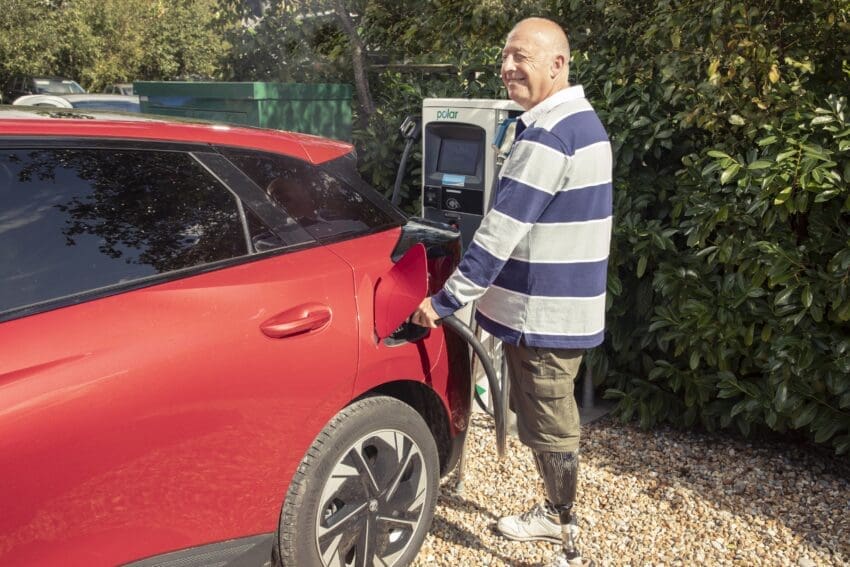
EV financing is not just about the car itself. Charging infrastructure plays a major role in ownership decisions, and lenders are starting to reflect that. Some finance packages now include home charger installation, spreading the cost over monthly payments.
By bundling charging with the vehicle, providers reduce friction for new buyers. Instead of managing multiple upfront costs, drivers see a single predictable payment. This reinforces the shift from ownership to usage, where the focus is on smooth day to day operation rather than asset accumulation.
Energy tariffs also influence financing perceptions. When drivers can estimate fuel savings with reasonable accuracy, they feel more comfortable committing to monthly plans, even if the vehicle itself is more expensive.
What This Means for the Future of Car Ownership
As EV adoption grows, financing will continue to evolve. Expect more hybrid models that combine elements of leasing, subscriptions, and traditional loans. Data driven pricing, based on mileage and battery health, is likely to become more common.
Manufacturers and lenders will increasingly compete on flexibility rather than headline price. The winners will be those who make electric ownership feel low risk and easy to exit. For consumers, this means more choice and less pressure to commit long term.
In the end, EV financing is not just changing how cars are paid for. It is changing what it means to own a car at all. Ownership is becoming lighter, more adaptable, and more closely aligned with modern financial habits, marking a quiet but profound shift in the relationship between drivers and their vehicles.