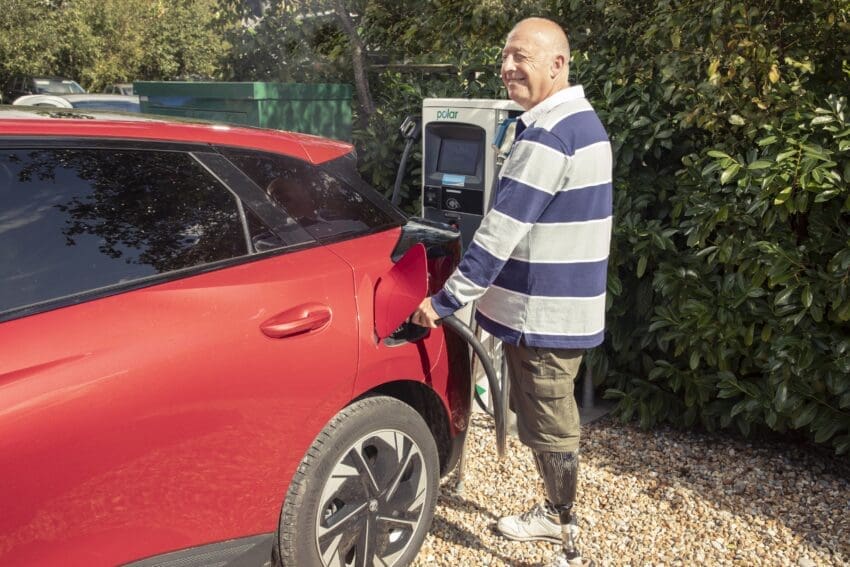
Buying an electric vehicle is sure to feel like a meaningful step towards lowering your carbon footprint. You charge overnight, skip fuel queues, and cut tailpipe emissions straight away.
But what about your home? If your boiler, hob, and water heater still burn gas, your home is only partially electrified. Heating, cooling, and hot water systems often operate every day of the year. So, addressing those systems can unlock deeper, longer-lasting carbon reductions.
EV Charging at Home Is Just the Beginning
Installing a home charger shifts one of your biggest energy uses to electricity. Full household electrification can reduce total energy costs by as much as 90 per cent in some scenarios. Numbers like that translate into real savings on your monthly bills.
Living with an EV also changes how you think about energy. Time-of-use tariffs, smart scheduling, and monitoring apps become normal, which makes the idea of electrifying the rest of your home far less intimidating.
Electrify Space Heating and Cooling
Space heating is often the largest energy demand in a home. Gas boilers and furnaces may be common, yet electric heat pumps provide both heating and cooling with impressive efficiency.
Industry reporting from Homebuilding notes that heat pump sales surged in 2024, reaching around 100,000 units in one market alone. Rapid adoption suggests homeowners are finding the switch practical and financially viable, not just environmentally sound.
For homes without ductwork, or properties with extensions and converted lofts, ductless dual zone AC systems offer a flexible route to full electrification.
Two indoor units connect to a single outdoor condenser. They allow you to heat and cool separate spaces independently while staying fully electric.
Why Zoned Electric Systems Work So Well
Zoned systems let you match comfort to occupancy. Instead of heating the entire house, you focus on the rooms you actually use.
Key advantages include:
- Heating and cooling only where needed
- Lower energy waste compared to whole-house systems
- Straightforward installation in homes without ducts
Greater control over temperature often leads to lower running costs and more consistent comfort year-round.
Upgrade to Electric Water Heating
Hot water quietly consumes a large share of household energy. Gas-fired cylinders remain widespread, yet electric heat pump water heaters can operate at significantly higher efficiencies.
Large-scale home electrification could save households billions in cumulative energy costs. Long-term savings at the national scale reflect the efficiency gains individual homeowners can experience over the lifespan of their systems.
Moving water heating to electricity also simplifies your setup. Fewer combustion appliances mean reduced on-site emissions and one less fossil-fuel connection to maintain.
Replace Gas Cooking with Induction
Cooking may not top your energy bill, but it shapes daily routines. Gas hobs release combustion by-products into indoor air, which can affect comfort and air quality.
Induction cooktops heat pans directly using electromagnetic energy. Faster boil times, precise temperature control, and easier cleaning make the switch practical for busy households.
Eliminating gas in the kitchen supports your wider electrification strategy. Everyday habits then align with your lower-carbon goals, from breakfast to dinner.
Strengthen Your Electrical Infrastructure
Whole-home electrification increases electrical demand. EV chargers, heat pumps, and electric water heaters all draw power, so your distribution board may need evaluation or upgrades.
Modern panels and smart load-management systems help balance demand automatically. Instead of overloading circuits, energy use is prioritised and distributed efficiently across appliances.
Planning infrastructure early avoids piecemeal fixes later. Each electric upgrade then becomes part of a coordinated system designed for long-term performance.
Creating a Fully Electrified Lower-Carbon Lifestyle
Electrifying your entire home for a lower-carbon lifestyle goes far beyond installing a charger in the garage. Yes, EV charging is a strong first step, yet heating, cooling, water heating, and cooking often account for a larger share of household emissions.
A phased approach makes the transition manageable. Start with the highest-impact systems, explore efficient options such as ductless dual zone AC systems where appropriate, and review your electrical capacity before adding new loads.
Electrifying your entire home is not about chasing trends. It is about aligning everyday systems with long-term carbon goals. Each upgrade builds on the last. Over time, those practical decisions create a cleaner, more resilient household.
And don’t forget that you can find out much more about EV charging by reading other articles on our site!