Managing company vehicles effectively requires a strategic, data-driven approach to significantly reduce hidden operational costs and improve daily performance across your entire organization.
- Leverage advanced telematics and innovative Fleet Tracking Solutions to monitor real-time vehicle data, eliminate unnecessary idle times, and prevent costly unexpected breakdowns through predictive maintenance.
- Control your Total Cost of Ownership (TCO) from start to finish by continuously optimizing daily dispatch routes and enforcing a strict, centrally monitored fuel policy.
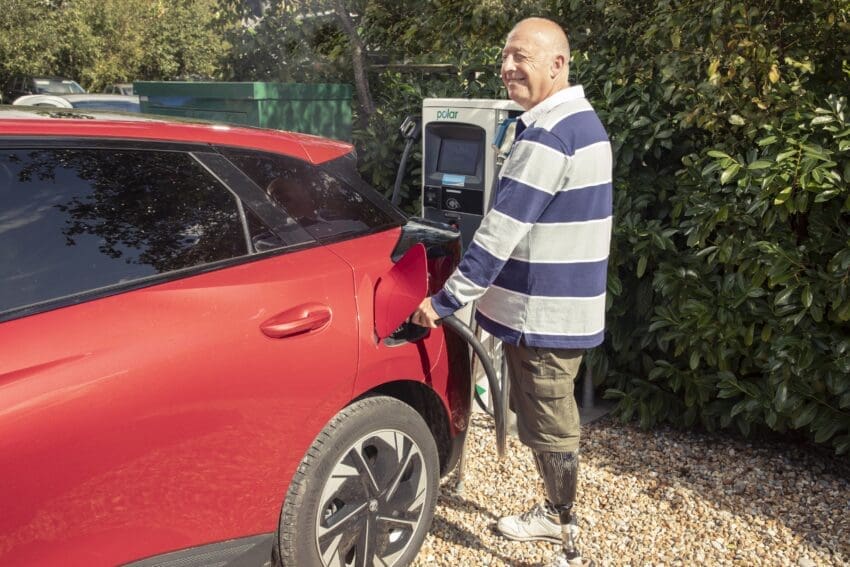
- Start your green energy transition responsibly by gradually integrating electric vehicles (EVs) and establishing smart corporate charging infrastructure and mobility budgets.
- Prioritize driver safety and eco-driving training to dramatically reduce overall fuel consumption, lower your insurance premiums, and build a positive, safety-first company culture.
Dive into our comprehensive guide outlining the essential 10 tips to optimize your vehicle fleet below to discover exactly how to transform these actionable strategies into a maximized Return on Investment for your business.
How can telematics and data improve fleet efficiency?
Telematics improves fleet efficiency by providing real-time data on vehicle location, fuel consumption, and driver behavior. By integrating GPS and diagnostic software, fleet managers can route vehicles optimally, predict maintenance needs proactively, and eliminate idle times, ultimately decreasing operational costs significantly.
1. Invest in Advanced Telematics Solutions
Gone are the days of manual tracking. By installing modern telematics devices, you unlock a wealth of actionable data. We recommend choosing platforms that integrate seamlessly with your existing ERP systems. Telematics allows you to track mileage, monitor engine idling, and identify unauthorized out-of-hours usage. This macro-level visibility directly impacts your bottom line by reducing wasted fuel and unnecessary wear and tear.
2. Utilize Predictive Maintenance
Do not wait for a vehicle to break down. Predictive maintenance uses engine data to alert you to potential mechanical issues before they result in costly downtime.
- Track engine fault codes in real-time.
- Automate service scheduling based on actual mileage rather than generic timeframes.
- Reduce costly emergency repairs and towing fees.
Proactive servicing extends the lifespan of your vehicles and ensures your team remains safely on the road.
What are the best strategies to reduce fleet Total Cost of Ownership (TCO)?
Reducing fleet TCO requires a comprehensive approach focusing on fuel management, optimal vehicle selection, and lifecycle optimization. By analyzing direct costs like leasing and indirect costs like downtime, businesses can implement strict fuel policies and smart procurement strategies to maximize ROI.
3. Analyze and Track TCO Continuously
To truly master fleet management, you must look beyond the initial purchase or lease price. The Total Cost of Ownership (TCO) encompasses every cent spent on a vehicle during its lifecycle. We advise conducting quarterly TCO audits.
| Cost Category | Key Components to Monitor | Optimization Strategy |
| Direct Costs | Depreciation, financing/leasing, insurance, taxes (e.g., Benefit-in-Kind). | Negotiate bulk leasing rates; select low-depreciation vehicle models. |
| Running Costs | Fuel/electricity, maintenance, tires, tolls. | Implement fuel cards; use predictive maintenance. |
| Indirect Costs | Vehicle downtime, administrative time, accident handling. | Digitalize fleet management processes; train drivers to reduce accidents. |
4. Optimize Route Planning and Dispatching
Inefficient routing burns money. By using dynamic routing software, you can account for traffic patterns, weather conditions, and delivery windows. Optimizing routes reduces total mileage, lowers fuel consumption, and allows your staff to complete more jobs in less time, instantly boosting operational productivity.
5. Implement a Strict Fuel Management Policy
Fuel often represents the largest variable expense for any fleet. We suggest implementing corporate fuel cards that restrict purchases to specific fuel types and set daily transaction limits. Coupled with your telematics data, you can quickly identify instances of fuel theft or unusually high consumption, allowing for immediate corrective action.
How to manage the energy transition and green your fleet?
Managing the energy transition involves strategically replacing internal combustion engine vehicles with electric vehicles (EVs). Fleet managers must assess route compatibility, install smart charging infrastructure, and leverage tax incentives to successfully reduce carbon footprints and comply with modern environmental regulations.
6. Electrify Your Fleet Step-by-Step
Fleet greening is no longer optional; it is a regulatory and corporate social responsibility (CSR) imperative. However, a sudden transition can be disruptive. We recommend a phased approach:
- Audit current usage: Identify vehicles with predictable, short daily routes—these are prime candidates for immediate EV replacement.
- Assess tax benefits: Take advantage of governmental grants, reduced road taxes, and lower benefit-in-kind rates associated with low-emission vehicles.
- Pilot programs: Start with a small batch of EVs to acclimate your drivers and understand the real-world range.
7. Optimize Charging Infrastructure and Corporate Mobility Budgets
Transitioning to EVs requires rethinking how vehicles are fueled. Instead of just installing chargers at the office, consider the holistic corporate mobility budget.
- Install smart chargers at your headquarters that charge vehicles during off-peak tariff hours.
- Provide home-charging reimbursement solutions for employees who take vehicles home.
- Explore complementary mobility solutions (like e-bikes or ride-sharing credits) for urban employees to reduce the overall number of company cars needed.
Why is driver safety and training crucial for fleet performance?
Driver safety directly impacts fleet performance by minimizing accident-related downtime, lowering insurance premiums, and reducing vehicle wear and tear. Implementing regular eco-driving training programs ensures drivers operate vehicles safely and efficiently, protecting both your human capital and bottom line.
8. Institute Eco-Driving and Safety Training
Even the most technologically advanced vehicle is only as efficient as the person driving it. Aggressive driving (harsh braking, rapid acceleration, speeding) drastically increases fuel consumption and mechanical wear. By providing mandated eco-driving training, you empower your employees to drive smoothly. This simple step can reduce fleet fuel consumption by up to 15%.
9. Reward Positive Driving Behavior
Data from your telematics system should not be used merely as a disciplinary tool. Instead, gamify the experience. Create a driver reward program that highlights those with the best safety scores and lowest fuel consumption. Recognizing and rewarding your safest drivers fosters a positive safety culture, boosts morale, and naturally drives down your accident rates and insurance premiums.
How can policy updates streamline administrative management?
Regular policy updates streamline administrative management by setting clear guidelines for vehicle usage, maintenance responsibilities, and accident reporting. A well-defined, digitally accessible fleet policy minimizes driver confusion, reduces administrative bottlenecks, and ensures strict compliance with tax and legal requirements.
10. Digitalize and Update Your Fleet Policy
A stagnant fleet policy is a liability. Your fleet management policy should be a living, digital document accessible on any smartphone. It must clearly outline:
- Rules regarding private use of company vehicles.
- Step-by-step procedures for reporting accidents or breakdowns.
- Guidelines on charging EVs and using fuel cards.
By moving away from paper-based systems and utilizing dedicated fleet management software, you centralize document storage (insurance, registration, driver’s licenses), making compliance audits effortless and saving your administrative team hundreds of hours annually.
Frequently Asked Questions (FAQ)
What is the most effective way to reduce fleet costs quickly?
The fastest way to reduce costs is by implementing a strict fuel management policy and utilizing route optimization software. Monitoring driver behavior to reduce engine idling and harsh acceleration can also yield immediate savings on both fuel and maintenance.
How does telematics improve fleet safety?
Telematics monitors driving patterns in real-time, flagging dangerous behaviors like speeding, hard braking, and sharp cornering. Fleet managers can use this data to provide targeted safety training to specific drivers, ultimately reducing the likelihood of collisions and lowering insurance premiums.
When is the right time to transition to an electric vehicle (EV) fleet?
The best time to transition is now, but it should be done in phases. Start by replacing vehicles that operate on predictable, short-range urban routes where charging infrastructure is readily available. Always factor in local tax incentives and the lower ongoing maintenance costs of EVs when calculating your transition timeline.
What is Total Cost of Ownership (TCO) in fleet management?
TCO represents the complete cost of a vehicle over its time in your fleet. It goes beyond the initial purchase or lease price to include depreciation, fuel, insurance, maintenance, tolls, taxes, and indirect costs like vehicle downtime and administrative management.