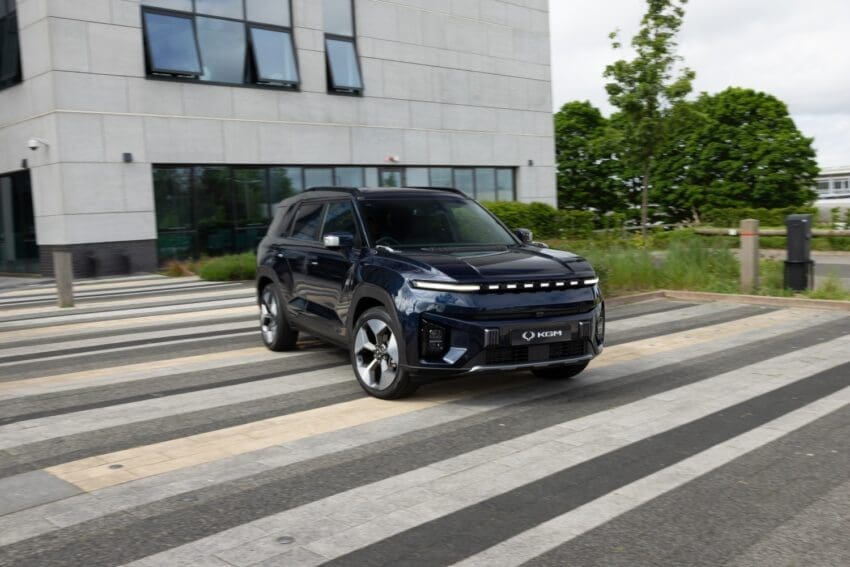

Geely has purchased a 30% stake in Nio Power, the battery-swap and charging division of EV manufacturer Nio.
Dating back to November 2023, when Nio and Geely entered a battery-swap strategic partnership, the automotive giant’s 30% stake, worth $2.4bn USD, reflects the two Chinese firms’ agreement to cooperate on technology and capital. In March 2024, the tie-up was expanded to charging network connectivity.
Geely’s stake means the two parties will jointly develop unified battery-swap technologies and standards. Geely is also developing battery-swappable models, with Nio providing battery-swap services, infrastructure, and network.
The partnership is set to accelerate Nio’s Power Swap Station network, which aims to operate 10,000 global battery swap stations by 2030, when annual electricity demand across the network is expected to exceed 10 billion kilowatt-hours.
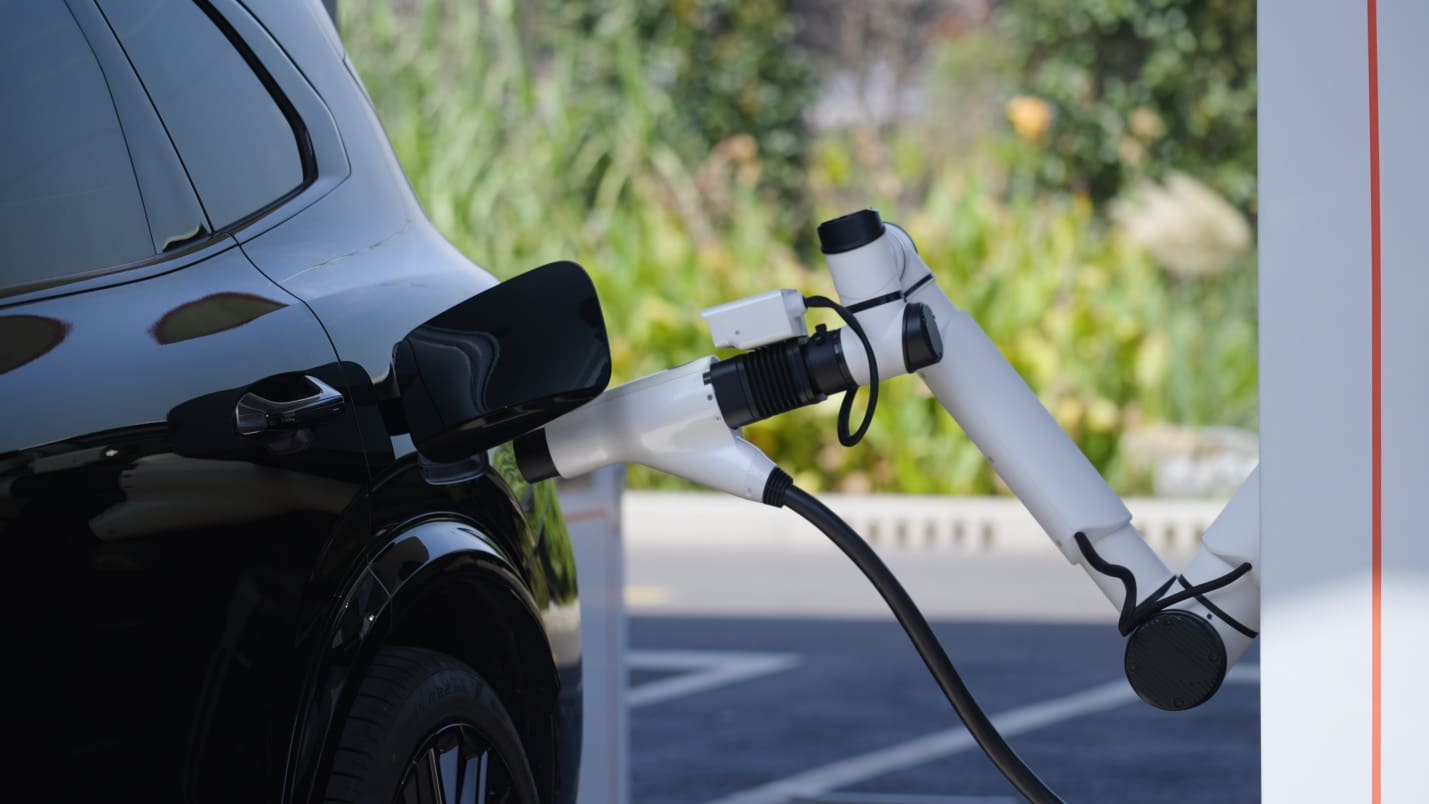
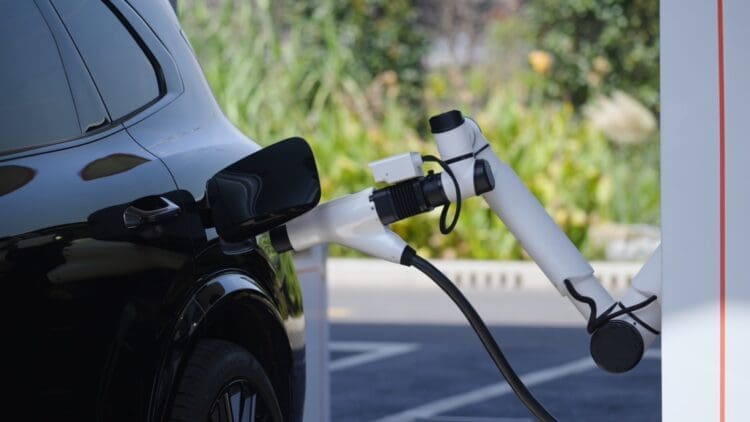
By the end of 2027, Geely plans to build 22,000 charging stations with over 100,000 charging connectors. This includes more than 15,000 charging stations with the brand’s new ‘Smart Charging’ tech.
This latest piece of AI-based charging tech offers mega-rapid charging speeds of up to 2,250 kilowatts (2.2 megawatts). Importantly for Geely, it significantly dwarfs arch-rival BYD’s 1.5MW ‘Flash’ charging network.
While Geely and BYD seem to be entering a charging-speed arms race, Nio’s battery-swap system offers a third way of EV charging. In early 2026, Nio reported completing over 100 million battery swaps.
When a motorist arrives at a Nio Power Swap Station, the vehicle’s sensors and automated driver systems move it into the swap bay. A robotic system underneath removes the old battery and installs a fresh, laser-guided replacement pack. Nio’s diagnostic systems then run an automated health check on the new battery and driver systems before the driver departs the station. The entire swap takes from three to five minutes.

Founded in 2014, Shanghai-based Nio believes battery swapping is quicker than refuelling an internal combustion-engined car and using a rapid charger. In the UK, these usually max out at around 150kW at present.
Battery swapping is also aimed at eliminating range anxiety by offering drivers the choice of switching between a smaller battery for short journeys and a larger pack for longer distances.
However, detractors view Nio’s setup as financially and operationally inefficient, given the 1.5 million yuan (approximately $2.2m) it costs to build a battery swap station, along with the network’s $140m annual maintenance costs.
Since Nio introduced its battery swap system in 2018, it has consistently run at a net loss as the company prioritises the network’s long-term scaling and infrastructure roll-out.