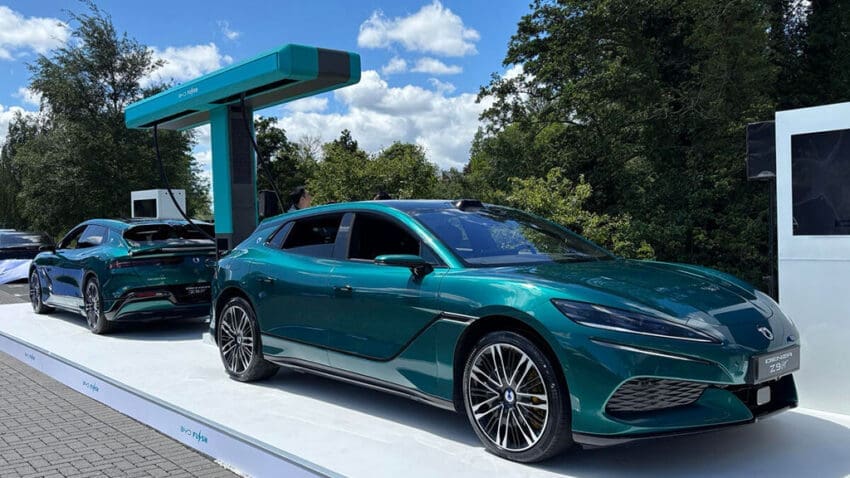
BYD is bringing its 1,500kW Flash charging network to the UK, with 300 ultra-rapid devices planned by the end of next year, and the Chinese giant is targeting prices that would dramatically undercut established rapid-charging providers, despite offering speeds several times higher.
Flash chargers are BYD’s self-developed answer to Tesla’s Supercharger network, and the roll-out will be brisk: around 3,000 units are planned across Europe by 2027, concentrated on motorways and high-traffic locations. BYD says that will put a Flash charger roughly every 50km, about 31 miles. Tesla currently operates around 20,000 Superchargers in Europe across 1,500 sites, but at a peak of 1,500kW, Flash devices offer three times the output of Tesla’s fastest hardware.
There is a catch. While Flash chargers are compatible with any EV carrying a standard CCS port, the full 1,500kW is reserved for BYD-built cars with dual charging ports, starting with the Denza Z9 GT shooting brake, which arrives in the UK in September. Future Denza models, including the B5 SUV and D9 MPV, will follow suit thanks to the second-generation Blade battery that underpins the technology. There is no word yet on when it will trickle down to the mainstream BYD range.
The headline figures are striking. At full tilt, a Flash charger takes the Z9 from 10 to 70 per cent in five minutes, and on to 97 per cent in another four. Even at -30°C, BYD claims, only three more minutes are needed.
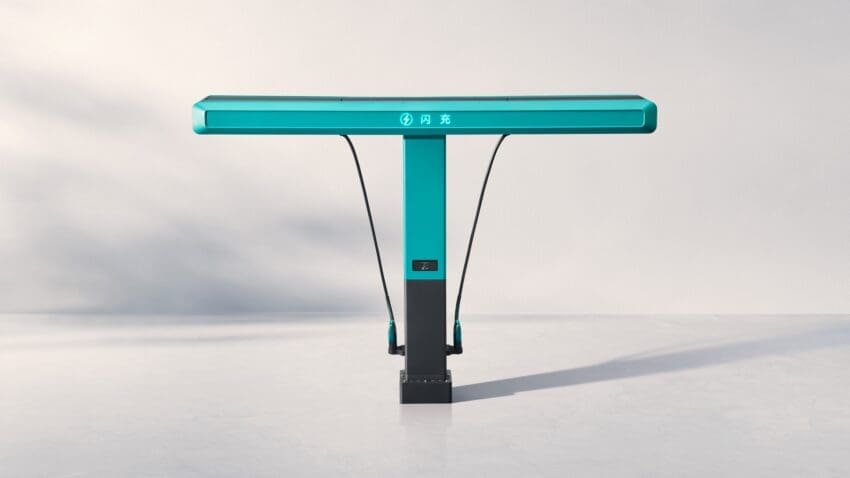

It is the pricing ambition that should worry the competition most, however. Flash chargers draw their power from on-site batteries replenished overnight at off-peak grid rates, allowing BYD to sell energy far more cheaply than conventional rapid networks. BYD UK boss Bono Ge explained that the firm wants to be “sub-50 pence” per kWh in the ideal scenario, describing roughly 50p as “the sweet point”, which would substantially undercut rapid chargers from the likes of Ionity, Gridserve and InstaVolt.
Ge said the low price is possible because each Flash unit can serve far more cars per day than rival devices, using energy bought at lower cost. “We do not want them to pay a more expensive price,” he said of Denza drivers, though owners of other brands’ EVs may pay more depending on commercial agreements with the charge point operators who will run the network. “If we work with CPOs, we will probably offer a special rate for BYD customers, and then we need to match their prices for non-BYD customers,” he said.
The locations of the first UK Flash chargers are yet to be confirmed, though BYD says 30 to 40 of its UK dealerships already have the necessary power connections and have begun seeking planning permission. The company is also in talks with supermarket chains about installing Flash chargers in their car parks, and the first European Flash stations have already gone live in Germany.
Echoing Tesla’s free Supercharging offer to early Model S buyers, the UK’s first Denza customers will get 18 months of free Flash charging.
Ge’s “only concern” is planning permission, long one of the biggest obstacles to new charging sites in a UK network that has just passed 120,000 public devices. Partnering with existing operators eases that worry, he said, because they hold permission at relevant sites already — though “the challenge” will be striking a commercial agreement that benefits both sides.