


Tesla has reported five new crashes involving its Robotaxi fleet in Austin, Texas, bringing a total of 14 documented accidents since the service began operating in the city last June.
The newly reported crashes were taken from updated filings published by the US National Highway Traffic Safety Administration (NHTSA) and showed that the incidents took place between December 2025 and January 2026.
Based on incidents per miles driven, the data suggests the self-driving cabs are crashing four times more frequently that human-operated vehicles.
The accidents include hitting a fixed object at 17mph, a crash with a bus when the Robotaxi was stationary, another with a truck at 4mph, plus two incidents where the driverless car backed into a tree.
Most alarmingly, Tesla revised a report for a July 2025 accident first described as causing “property damage only”. In December, it filed a new version stating that the actual injury was “Minor W/Hospitalisation”.
In addition to heavily censoring its reports by removing crucial crash details, the NHTSA has previously launched an investigation into the Elon Musk-owned carmaker for failing to report accidents on time.
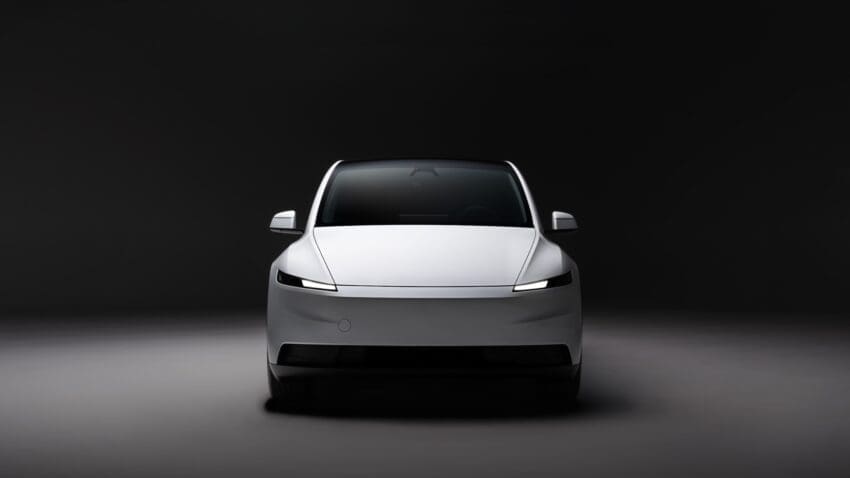
Using the mileage data Tesla shared in its Q4 2025 earnings report, Electrek estimated that the Robotaxi fleet had accumulated 800,000 miles by mid-January 2026. Divided by the 14 accidents, this equated to a crash once every 57,000 miles.
According to Tesla’s very own Vehicle Safety Report, the average US driver has a minor accident every 229,000 miles. This means that Robotaxis are crashing at a rate of just over four times that of human-driven cars.
For comparison, Robotaxi’s main rival, Waymo, has driven more than 127 million driverless miles across several major US cities and registers an accident every 98,000 miles. Meanwhile, the Tesla Robotaxi fleet is concentrated in Austin with just 41 Model Y SUVs.
Having just killed the Model S and Model X, Tesla now produces just two vehicles, its best-selling Model 3 and Model Y. Instead of announcing any future passenger models, the brand has instead chosen to focus on driving autonomy and robotics for the time being.
The spate of Robotaxi crashes and the lack of transparency surrounding them will almost certainly prove a headache for Tesla, which announced a 3% year-on-year revenue drop in its Q4 earnings report, along with a 16% downturn in vehicle deliveries.


