

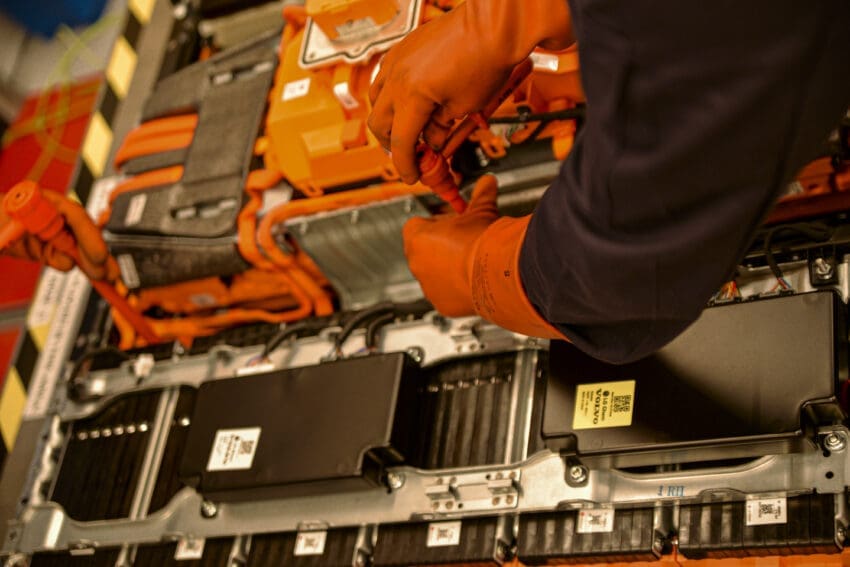
Lithium Iron Phosphate (LFP) chemistry is receiving the majority of attention as automakers seek to improve the affordability, reliability and durability of electric vehicles.
LFP batteries for electric cars have supplanted almost all of the chemistries that powered early models of the modern electric car.
What Are LFP Batteries?
It is a particular Lithium-ion battery chemistry that employs iron and phosphate as the cathode component versus a combination of nickel, manganese and cobalt. Usually the anode is, like other regular Li-ion cells, made of graphite.
Iron, phosphorus and oxygen are chemically bonded in the cathode with an extremely strong and stable bond. Once these cells are manufactured into a practical LiFePO4 battery packs, they form a strong energy storage system that will withstand repeated charge and discharge cycles and withstand high usage demands without degradation over time.
Why Are LFP Batteries Gaining Popularity?
Car manufacturers worldwide are making the move to LFP chemistry for their entry-level and standard range cars. Economic viability and supply line resilience are the two main reasons behind this trend.
The current EV batteries rely on raw materials which are subject to fluctuating prices and tight supply. The use of materials that are plentiful and available around the world, such as iron and phosphorus, will allow carmakers to stabilize production timelines and cut costs for electric vehicles.
Key Benefits of LFP Batteries in Electric Cars
The rise in the use of Lithium Iron Phosphate batteries is due to a number of unique benefits:
- Cost-Effectiveness: Iron and phosphorus raw materials are much more cost-effective than nickel and cobalt raw materials. This price cut is akin to making electric car batteries more accessible for consumers as it corresponds directly to the vehicle’s price.
- EV Battery Safety and Thermal Stability: LFP chemistry doesn’t require any additional thermal stability measures. The highly covalent bonding of the cathode will reduce the likelihood of damage to the cell or high electrical stress, causing it to become hot or catch fire.
- Longer Battery Life: LFP batteries typically have a lifespan of 3,000 to 5,000 cycles or more, which is significantly longer than that of Li-ion batteries. In addition, the driver can charge the LFP battery to 100% without accelerating degradation, which makes the charging process much easier.
- Minimized Exposure to Critical Minerals Bottlenecks and Ethics: Cobalt and nickel free reduces severe supply chain constraints and ethical concerns of mineral extraction for more sustainable EVs.
- Everyday Driving: Most of the drivers drive less than 40 miles every day, and the reliable driving range of LFP chemistry is well suited for their everyday driving needs and city driving requirements.
LFP Batteries vs. Other EV Batteries
The most popular comparison of electric vehicle battery technologies is between LFP vs NMC batteries (Nickel Manganese Cobalt). NMC cells can offer higher energy density per weight and volume, whilst LFP offers lower manufacturing costs and exceptional thermal stability.
| Feature | LFP | NMC |
|---|---|---|
| Battery chemistry | Lithium iron phosphate | Lithium nickel manganese cobalt oxide |
| Relative energy density | Lower | Higher |
| Cost considerations | Often lower; no nickel or cobalt | Often higher; depends on metal prices |
| Thermal stability | Generally more stable | Generally less stable; needs careful management |
| Common applications | Standard-range EVs, buses, energy storage | Long-range and performance EVs |
The lower gravimetric energy density of LFP translates to a larger and heavier ‘pack’ for the same total kilowatt-hour capacity as an NMC pack. But new manufacturing techniques, including cell-to-pack (CTP) integration, have greatly reduced this packaging disadvantage.
Are LFP Batteries Right for Every Electric Car?
Despite the clear LFP battery advantages, the chemistry is not a universal solution for every automotive segment. Although LFP battery () has a lot of advantages, the chemistry isn’t a fit for every vehicle segment. NMC chemistries continue to be the material of choice for high-density applications such as sports cars, heavy-duty trucks and luxury vehicles, where maximum driving range and quick acceleration are paramount.
There are trade-offs in cold weather performance, too. When ambient temperatures are below freezing, the charging rate and usable capacity of LFP batteries decreases more than that of other types. Although thermal preconditioning on board is a method to control this issue, there may be variations between the onboard and nickel-based options for buyers that live in extreme winter climates.
The Future of LFP Batteries in Electric Vehicles
With continued progress in manufacturing techniques and cell architectures, more and more is possible with LFP chemistry. New structural battery packs and innovative variants with manganese are steadily improving energy density, and are not compromising on stability and affordability.
As the industry scales, experienced battery specialists, Legend Battery help drive engineering progress by delivering tailored lithium battery systems across specialized industrial applications. As there is an ongoing demand for more vehicles with low-cost, long-life electric vehicles globally, LFP will continue to take a bigger share of the passenger EV market.
Conclusion
With their ability to tackle the industry’s most pressing issues of cost, safety, and lifespan, LFP batteries are emerging as a key player in the EV market.
They do not match the performance of high density chemistries in all high-end or long-range applications, but they are a perfect power source for millions of consumers transitioning to electric mobility, as they offer a combination of durability, safety and economic value.


