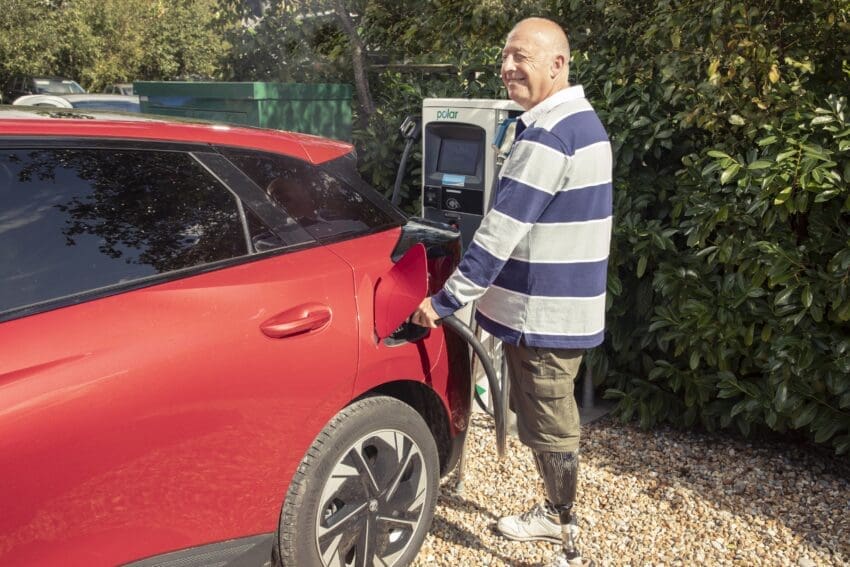
Electric vehicles have transformed the way people travel. Longer battery ranges, rapidly expanding charging infrastructure, and smarter navigation tools have made cross-border road trips more practical than ever.
Whether you’re exploring the Norwegian fjords, driving through the French countryside, or visiting historic cities across Central Europe, an electric vehicle (EV) offers a cleaner, quieter, and often more enjoyable travel experience.
However, successful EV travel across Europe requires more than simply charging your battery. Route planning, charging availability, navigation, payment systems, and reliable internet access all play an important role in ensuring a smooth journey.
This guide explores everything EV drivers should consider before embarking on a European road trip.
Why Europe Is Perfect for Electric Vehicle Adventures
Europe has become one of the world’s leading regions for electric mobility. Governments continue investing heavily in charging infrastructure while manufacturers introduce new EV models with greater efficiency and extended range.
Benefits of driving an EV across Europe include:
- Lower running costs compared to petrol or diesel vehicles
- Access to expanding fast-charging networks
- Reduced environmental impact
- Easier access to low-emission zones
- Quiet, comfortable long-distance driving
Many countries also provide incentives such as discounted tolls, preferred parking, or exemptions from congestion charges for electric vehicles.
Planning Your Route Before You Leave
Unlike conventional vehicles, EV journeys benefit from detailed planning.
Before departure, consider:
- Daily driving distance
- Charging locations
- Hotel charging facilities
- Terrain and elevation changes
- Weather conditions
- Border crossings
- Traffic forecasts
Modern route-planning applications automatically calculate charging stops based on battery percentage, vehicle model, and driving style.
Planning ahead helps reduce range anxiety while maximizing travel efficiency.
Understanding Europe’s Charging Networks
Europe offers thousands of public charging stations operated by numerous providers.
You’ll encounter several charging options:
AC Destination Chargers
Ideal for overnight charging at hotels, holiday rentals, shopping centres, and attractions.
DC Fast Chargers
Perfect for motorway travel, often providing significant battery replenishment within 20–40 minutes depending on vehicle capabilities.
Ultra-Rapid Chargers
Found increasingly along major European transport corridors, these stations are designed for newer EVs capable of accepting high charging speeds.
Since charging providers differ between countries, it’s worth checking payment methods before travelling.
Charging Etiquette Matters
As EV ownership grows, considerate charging behaviour helps everyone.
Best practices include:
- Move your vehicle once charging is complete.
- Avoid occupying rapid chargers unnecessarily.
- Queue respectfully during busy periods.
- Report faulty chargers through operator apps.
- Keep charging cables tidy.
Good etiquette contributes to a better experience for all EV drivers.
Battery Management During Long Trips
Maximising efficiency becomes especially important during extended journeys.
Helpful strategies include:
Maintain Moderate Speeds
Driving at consistent motorway speeds improves battery efficiency.
Precondition the Battery
Many modern EVs automatically warm or cool the battery before arriving at a fast charger, reducing charging time.
Use Regenerative Braking
Mountain roads and urban driving can recover significant energy through regenerative braking.
Avoid Deep Discharges
Keeping battery levels between roughly 20% and 80% often provides the best balance of charging speed and long-term battery health during travel.
Accommodation with EV Charging
Hotels increasingly recognise the growing number of electric vehicle tourists.
When booking accommodation, check for:
- Dedicated EV chargers
- Reserved charging bays
- Overnight charging availability
- Type 2 connectors
- Nearby public charging stations
Charging while sleeping eliminates unnecessary daytime charging stops.
Navigation Technology Is Essential
Today’s EV drivers rely heavily on digital tools.
Popular features include:
- Live charger availability
- Dynamic route optimisation
- Battery-aware navigation
- Real-time traffic updates
- Alternative charging suggestions
- Weather forecasting
Having access to accurate information helps avoid unexpected delays and improves overall journey confidence.
Staying Connected Throughout Europe
Reliable internet access has become almost as important as battery power for modern EV travel. Navigation apps, charging-network platforms, payment systems, accommodation bookings, and emergency communication all depend on a stable data connection.
Before travelling, many drivers choose to stay connected on your visit to Europe by using an eSIM solution that works across multiple European destinations. Holafly is one option that allows travellers to activate mobile data before departure, helping ensure uninterrupted access to maps, charging apps, and travel information without relying solely on public Wi-Fi.
Weather Can Affect EV Performance
Temperature has a measurable impact on electric vehicle efficiency.
Cold weather may:
- Reduce battery range
- Increase cabin heating demand
- Slow charging speeds
Hot weather may:
- Increase battery cooling requirements
- Affect charging performance during peak temperatures
Planning charging stops with seasonal conditions in mind helps minimise unexpected energy consumption.
Border Crossings and Local Regulations
Travelling between European countries is generally straightforward, but regulations can vary.
Drivers should check:
- Environmental zones
- Toll road requirements
- Parking rules
- Charging payment compatibility
- Local driving regulations
- Emergency equipment requirements
Being prepared helps avoid fines or unnecessary delays.
Sustainable Tourism Through Electric Mobility
Choosing an electric vehicle supports more sustainable tourism.
Benefits include:
- Lower greenhouse gas emissions
- Reduced urban air pollution
- Less traffic noise
- Increased support for renewable energy adoption
- Encouragement of cleaner transport infrastructure
Many tourist destinations are actively investing in EV-friendly facilities to meet growing demand from environmentally conscious travellers.
Preparing for the Unexpected
Even the best-planned journeys can encounter surprises.
Carry:
- Charging cables compatible with your vehicle
- Charging network membership cards (where applicable)
- Portable tyre inflator
- Emergency warning equipment
- Backup charging locations
- Offline maps
Preparation allows small issues to remain minor inconveniences rather than trip-ending problems.
The Future of European EV Road Trips
Europe’s electric mobility ecosystem continues evolving rapidly. More ultra-fast charging stations, vehicle-to-grid technologies, renewable-powered charging hubs, and intelligent route-planning software are making long-distance EV travel increasingly seamless.
As battery technology advances and charging infrastructure expands, cross-border journeys will become even more accessible for drivers of all experience levels. Combining thoughtful route planning, reliable digital tools, and a well-prepared vehicle allows travellers to enjoy Europe’s diverse landscapes while embracing cleaner, smarter transportation.
For EV enthusiasts, a European road trip is no longer a vision of the future—it’s one of the most rewarding ways to experience the continent today.