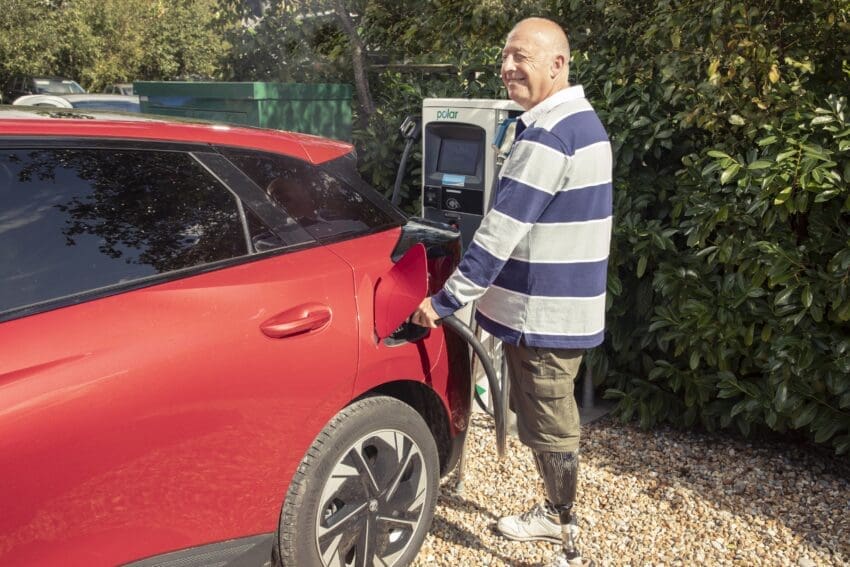
The streets of London are changing rapidly. Electric vehicles are becoming an increasingly common sight, driven by the government’s commitment to achieving net-zero greenhouse gas emissions by 2050 and the requirement that all new cars and vans must be fully zero-emission by 2035.
This transition represents one of the most significant shifts in how Londoners travel and power their daily lives.
With more electric vehicles on the road comes an increased demand for reliable, efficient charging infrastructure. The National Grid is prepared to meet this growing demand, but only if the charging process is managed intelligently. If every electric vehicle owner plugged in their car to charge at the same time during peak hours, the strain on the electricity network could become unmanageable. This challenge has led to the development and regulation of smart EV charging solutions that benefit both individual users and the broader energy system.
Understanding Smart Charging Technology
Smart EV charging goes far beyond simply plugging a vehicle into a power source. These advanced systems enable two-way communication between the vehicle, the charger, and the electricity grid. This connectivity allows charging to occur at optimal times, balancing the needs of the driver with the capacity of the local and national electricity networks.
The technology enables several important functions that make electric vehicle ownership more practical and sustainable. Smart chargers can respond to signals that increase or decrease the rate of electricity flow based on grid conditions. They can schedule charging sessions during off-peak hours when electricity demand is lower and renewable energy sources are more abundant. They also provide users with detailed information about their energy consumption through apps and other interfaces, helping drivers understand and manage their costs.
For London residents and businesses, these capabilities translate into tangible benefits. Charging during off-peak hours typically means lower electricity costs. Supporting grid stability helps prevent power disruptions in local communities. Reducing demand during peak periods also supports the integration of more renewable energy into the system, contributing to cleaner air and reduced carbon emissions across the capital.
Regulatory Framework and Compliance Requirements
The UK government has established clear regulations to ensure that EV charging infrastructure supports these goals. The Electric Vehicles (Smart Charge Points) Regulations 2021 came into force on 30 June 2022, setting mandatory requirements for all private charge points sold for domestic or workplace use in Great Britain. You can read the full details of these regulations on the official government website.
These regulations require that all new home and workplace chargers include smart functionality as standard. This includes the ability to send and receive information, respond to grid signals, and provide users with interfaces to control their charging preferences. Chargers must also maintain their smart capabilities even if the owner switches electricity suppliers, ensuring that consumers are not locked into specific providers.
Security requirements came into effect on 30 December 2022, adding further protections for users. These include tamper detection mechanisms, security event logging, and encryption standards that protect both the electricity system and personal data. For London property owners and businesses considering EV charger installation, ensuring compliance with these regulations is essential for both legal adherence and long-term operational security.
Benefits for London Homeowners
For homeowners across London, smart EV charging offers practical advantages that extend beyond environmental considerations. The pre-set off-peak charging hours help reduce electricity bills by taking advantage of lower tariff rates during nighttime periods. While users can override these settings when necessary, the default configuration supports both individual savings and collective grid stability.
The randomised delay function, which staggers the start of charging sessions by up to ten minutes, prevents sudden surges in demand that could strain local substations. This feature operates automatically and typically goes unnoticed by users, yet it plays a vital role in maintaining reliable electricity supply across neighbourhoods.
Smart chargers also provide detailed energy monitoring, allowing homeowners to track exactly how much electricity their vehicle consumes and when. This transparency helps with budgeting and provides valuable insights for those looking to optimise their energy usage further. For households with solar panels or other renewable generation, some smart chargers can even coordinate charging with periods of excess solar production, maximising the use of clean energy.
Advantages for London Businesses
Businesses in London face unique opportunities and challenges regarding electric vehicle adoption. The Workplace Charging Scheme provides financial support for companies looking to install charging infrastructure for employees and fleet vehicles. This scheme covers up to 75% of installation costs, making it more accessible for organisations to support sustainable transport choices.
Smart charging solutions allow businesses to manage multiple vehicles efficiently without overwhelming their electrical capacity. Load balancing features ensure that available power is distributed optimally across all connected vehicles, preventing circuit overloads while ensuring that fleet vehicles are ready when needed. This is particularly valuable for businesses operating in older commercial properties where electrical infrastructure may have limited capacity for expansion.
The data provided by smart charging systems also supports business planning. Fleet managers can monitor usage patterns, identify opportunities for operational improvements, and demonstrate their sustainability commitments through accurate reporting of carbon reductions. For customer-facing businesses, offering EV charging can attract environmentally conscious consumers and extend dwell time at retail locations.
Installation Considerations for London Properties
Installing smart EV charging infrastructure requires careful planning, particularly in London’s diverse building stock. Older properties may need electrical upgrades to support modern charging equipment safely. All installations must comply with BS 7671, the IET Wiring Regulations, ensuring that electrical work meets current safety standards.
For properties with existing electrical concerns, addressing these issues before installing EV charging equipment is essential. In some cases, property owners may need to arrange an EICR Certificate London service to assess the condition of their electrical installation and identify any necessary remedial work before proceeding with charger installation.
Part S of the Building Regulations, which came into effect in June 2022, introduced specific requirements for EV charging infrastructure in new developments. New residential buildings must include at least one charge point, while new commercial buildings require one charger for every ten parking spaces. These requirements ensure that London’s growing built environment is prepared for the electric vehicle transition from the outset.
Looking Ahead
The importance of smart EV charging will only continue to grow as electric vehicle adoption accelerates across London. The technology is evolving rapidly, with developments in vehicle-to-grid capabilities that could allow electric vehicles to feed power back into the grid during peak demand periods. This bidirectional charging could transform EVs from simple consumers of electricity into active participants in energy system management.
For Londoners considering the switch to electric vehicles, understanding smart charging options is an essential part of the transition. The right charging solution can reduce costs, support grid reliability, and contribute to the capital’s broader environmental goals. As the infrastructure continues to develop, those who invest in smart charging capabilities today will be well-positioned to benefit from future innovations.
Whether you are a homeowner looking to install your first charger or a business planning a comprehensive fleet charging strategy, taking the time to understand smart charging technology and regulatory requirements will ensure that your investment delivers maximum value. For more information about electrical safety considerations at electric vehicle charging points, you may find our related article helpful: It’s time to talk about personal safety at electric vehicle chargepoints.