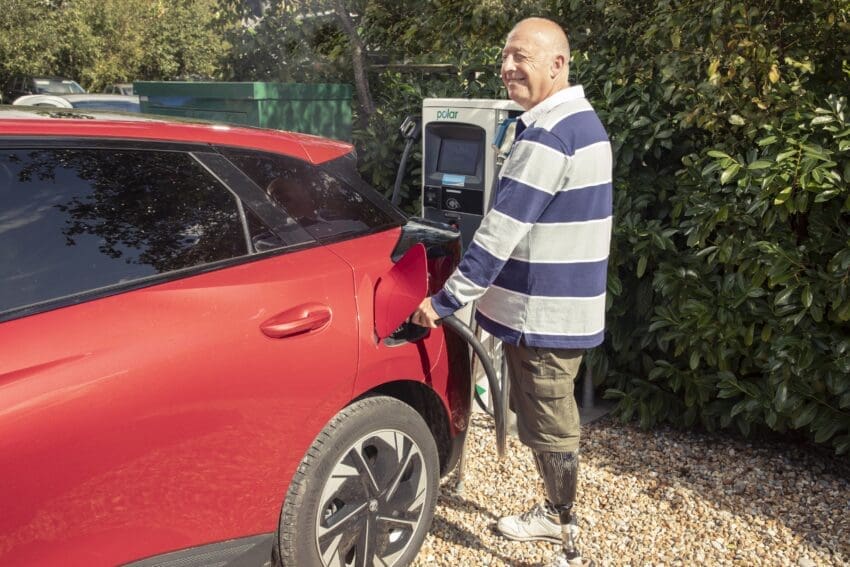
Electric vehicles are becoming increasingly common across London. With government policies encouraging the transition to cleaner transport, more homeowners, landlords, and businesses are installing EV chargers on their properties.
While installing a charger may seem straightforward, there are important legal and safety requirements that must be met before doing so.
Preparing your property for EV charging involves more than simply choosing a charger and arranging installation. Electrical safety, building regulations, and compliance standards must all be considered. Understanding these requirements helps protect occupants, ensures legal compliance, and supports the safe expansion of EV infrastructure across London.
Understanding Why Compliance Matters for EV Charging
Electrical Safety and Increased Power Demand
EV chargers require a significant amount of electricity, especially fast and rapid charging units. This increased electrical load can put pressure on a building’s existing wiring system. Older properties in London, particularly those built several decades ago, may not have electrical systems designed to handle such demands.
If the wiring, fuse board, or earthing system is not suitable, installing an EV charger could create safety risks. These risks include overheating, electric shock, or fire hazards. Ensuring the electrical system is capable of supporting the charger is essential before installation begins.
Legal Responsibilities for Property Owners and Landlords
Property owners and landlords in London have a legal duty to ensure their electrical systems are safe. This responsibility becomes even more important when introducing new equipment such as EV chargers.
The UK government has established electrical safety regulations that apply to residential and commercial properties. These regulations help ensure electrical installations are properly maintained and safe for use. You can review the official guidance on electrical safety requirements from the UK government at Compliance with these standards helps protect tenants, employees, and visitors while reducing legal risks for property owners.
Assessing Your Property’s Electrical Capacity
Evaluating Existing Electrical Infrastructure
Before installing an EV charger, a qualified electrician should assess the property’s electrical system. This assessment examines the fuse board, wiring condition, earthing arrangements, and overall system capacity.
Many properties in London have been upgraded over time, but some older buildings still rely on outdated electrical components. These systems may not safely support the additional load of an EV charger without modifications.
Upgrades such as a modern consumer unit, improved earthing, or increased electrical capacity may be necessary to ensure safe operation.
Importance of Electrical Inspection and Certification
Electrical inspections play a critical role in confirming whether a property is suitable for EV charging. These inspections identify potential issues that could affect safety or compliance.
An electrical inspection typically checks the condition of cables, sockets, distribution boards, and protective devices. It also verifies that the system meets current UK safety standards.
For many London property owners, obtaining an EICR Certificate in London helps confirm that their electrical system has been professionally inspected and meets required safety standards before installing new equipment such as EV chargers.
Building Regulations and Installation Standards
Compliance with UK Building Regulations
EV charger installations must comply with UK building regulations. These regulations ensure that electrical work is performed safely and correctly.
Qualified installers follow strict standards when installing EV chargers. These standards include proper cable sizing, safe circuit protection, and correct installation methods. Compliance ensures the charger operates safely without putting unnecessary strain on the building’s electrical system.
In London, building regulations also consider factors such as accessibility, structural safety, and overall installation quality.
Role of Certified Electricians
Only qualified and certified electricians should install EV chargers. Professional installers understand the technical and legal requirements involved in EV charger installation.
They assess the property, recommend appropriate solutions, and ensure all work complies with national safety standards. Using a qualified electrician helps prevent safety issues and ensures the installation meets legal requirements.
Certified professionals also ensure that proper testing and verification are completed after installation.
Special Considerations for Flats and Shared Buildings in London
Challenges in Multi-Occupancy Buildings
Many London residents live in flats or shared buildings. Installing EV chargers in these properties can be more complex than in standalone houses.
Shared electrical systems, limited capacity, and building management requirements may affect installation options. Property owners and leaseholders may need permission from building management or freeholders before installing chargers.
Electrical capacity must also be carefully assessed to ensure the building’s overall system can safely support additional chargers.
Planning and Coordination
In shared buildings, coordination between property owners, building managers, and electricians is essential. Proper planning ensures installations are safe and compliant while avoiding disruption to other residents.
London’s dense housing environment makes careful planning particularly important to maintain safety and efficiency.
Fire Safety and Risk Reduction
Preventing Electrical Fire Risks
Electrical safety is closely linked to fire prevention. Faulty wiring or overloaded circuits can increase the risk of electrical fires.
EV chargers draw substantial electrical power, which makes proper installation and inspection essential. Ensuring cables, circuits, and protective devices are suitable reduces fire risks.
Fire safety considerations are especially important in London’s older buildings, where electrical systems may require upgrades.
Ongoing Maintenance and Monitoring
Electrical systems should be regularly inspected to ensure continued safety. Over time, components can deteriorate or become less effective.
Regular maintenance helps identify potential issues before they become serious problems. This approach supports long-term safety and compliance.
Maintaining safe electrical systems also protects property value and supports reliable EV charging.
Supporting London’s Transition to Sustainable Transport
Government Policies and Environmental Goals
London is actively working to reduce emissions and improve air quality. Encouraging EV adoption is a key part of this effort.
Preparing properties for EV charging helps support these environmental goals. Safe and compliant installations ensure EV infrastructure can grow without compromising safety.
Property owners play an important role in supporting this transition by ensuring their buildings are ready for EV charging.
Increasing Property Value and Future Readiness
EV charging capability is becoming an important feature for modern properties. Buyers and tenants increasingly look for buildings that support electric vehicles.
Ensuring electrical systems are compliant and capable of supporting EV chargers helps prepare properties for the future. This readiness supports long-term usability and sustainability.
London’s growing EV infrastructure makes compliance and preparation more important than ever.
Conclusion: Ensuring Your Property Is Legally and Safely Ready
Preparing your property for EV charging involves careful attention to safety, compliance, and legal requirements. Electrical inspections, proper installation, and adherence to regulations help ensure chargers operate safely and efficiently.
London’s transition toward electric vehicles continues to accelerate, making compliance increasingly important for property owners, landlords, and businesses. Taking the necessary steps to assess and prepare electrical systems supports safety, legal compliance, and long-term sustainability.
If you would like to understand more about the broader requirements and considerations involved, you can also read this related guide on EV charger installation and regulations on EV Powered.