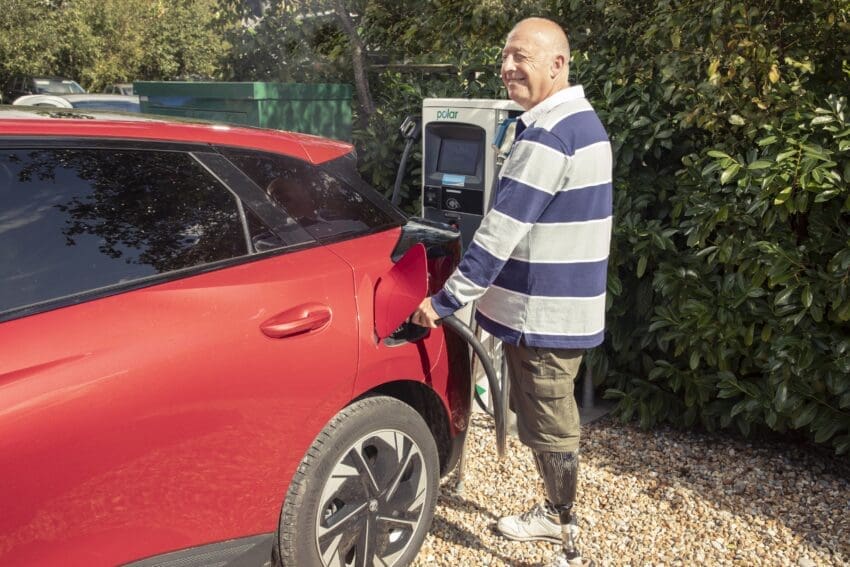
Electric vehicles are poised to fundamentally transform how we approach driving. Sadly, rising adoption inevitably creates opportunities for scammers who want to take advantage of EV owners.
And there’s plenty to exploit, from the infrastructure and services emerging to support this growing industry to weaknesses in car manufacturers’ cybersecurity.
Knowing what scams currently target EV owners, how to recognize them, and what you can do to protect yourself will help you avoid the consequences.
Fake Charging Station QR Codes (Quishing)
Charging EVs is much more tech-forward than refueling traditional vehicles, and legitimate QR codes on charging stations are common. Drivers use them to identify the charger in use, handle payment, or download the operator’s official app if they don’t have it yet.
Criminals are exploiting drivers’ trust and the physical nature of QR codes by replacing the originals with harmful fakes. These usually redirect drivers to websites that look like copies of legitimate payment portals. They then ask for personal, banking, and account information to supposedly process payments. If entered, the information gets stolen and may be misused in various ways.
How to avoid: It’s best to skip QR codes in favor of an operator’s official app or other payment options like contactless RFID cards. If you still want to use QR codes, make sure there are no signs of tampering and check that links lead to the real operator’s official pages.
Data Breach Follow-Up Scams
Some of the most frustrating scams have nothing to do with EV owners’ own actions. Vehicle manufacturers and their partners have access to a variety of information, from personal details and email addresses to your car’s VIN and registration numbers. If either party’s cybersecurity is lacking, this information can be exposed in a breach.
Scammers then use it to create more convincing follow-ups. For example, they may contact you posing as the manufacturer and provide extensive details about your car to seem legitimate. They may then claim there’s a problem with your charging account or another issue that requires you to provide payment data or other information they don’t yet have and steal it.
How to avoid: Be very suspicious of messages from your EV manufacturer or affiliates asking for account or personal details, especially after disclosed data breaches. Data leak checkers along with strong, unique passwords and MFA will help strengthen your accounts’ protection. Never give your credentials out if asked.
Fake Incentive Scams
Some scammers specialize in targeting prospective and new EV owners. Since tax cuts and rebates are on the rise, disguising scams as a legitimate incentive can be very effective.
Victims receive messages that claim they’re eligible for rebates or subsidies and ask them to apply. They may demand a fee to process the claim or steal your personal and financial information, like the others.
How to avoid: Always verify incentive eligibility through official government pages. Asking you to pay to unlock access to such incentives is almost certainly a sign of a scam, especially when it arrives as part of an unexpected message.
Conclusion
Owning an EV doesn’t automatically make you more vulnerable to scams. However, it introduces new threats and ways of exploiting trust you need to be prepared for. Understanding EV-related threats, plus a healthy dose of vigilance, will ensure that you don’t become a victim.