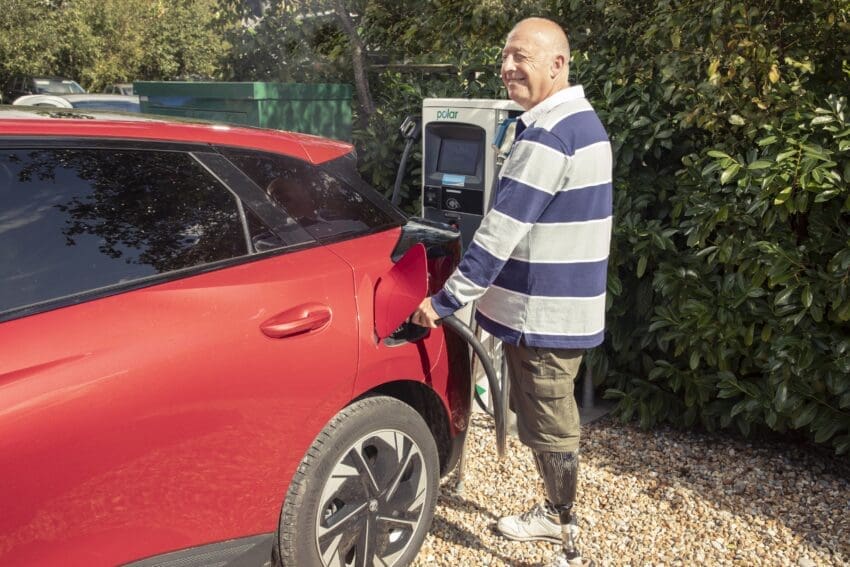
Electric vehicles (EVs) have been growing increasingly popular throughout the years; apart from petrol, they’re currently up there as the most popular type of car, and their popularity is only getting bigger.
The UK has seen a rise in electric vehicles throughout the years, with over 80k new electric cars registered in March 2026, a 24.2% increase from the previous year, with the Tesla Model Y gaining the most registrations that year. The RAC estimates that there’s currently over two million fully electric cars on the road in the UK, which makes up for 5.9% of the cars on UK roads.
Now, with electric cars being one of the most popular types of cars, there’s countless choices on the market. If you’re looking for a new car, it can feel overwhelming with all of the different choices on the market, not just with your car type and deciding which is best for you, but with the make and model that will fit your daily routine.
There are a lot of choices you have to make when deciding to get a new car, what engine type, the make and model, how to finance it, picking the right finance option, and if you’re in a PCP, deciding what to do at the end of your agreement.
When choosing between a petrol, diesel, or electric vehicle (EV), the best option depends on your driving habits and needs. Electric vehicles are ideal for drivers who mainly make short journeys or commute locally, offering the lowest running costs, reduced maintenance, and zero tailpipe emissions.
Diesel vehicles are best suited to those who regularly cover long motorway distances or drive more than 20,000 miles a year, as they provide excellent fuel economy on longer trips. Petrol vehicles are a useful choice for drivers who split their time between town and motorway driving, as they are generally less expensive to purchase and maintain more than diesel models while avoiding the need for charging infrastructure. Ultimately, the right choice depends on factors such as annual mileage, journey type, access to charging, and whether the vehicle will be used for personal or business purposes.
However, if you’ve decided to go electric and have picked the car you want, the next step is financing it. Deciding which finance option is best for you is entirely up to what you want out of the finance agreement. There are two common types of car finance: Hire Purchase (HP), which is when you make monthly payments to the finance company over an agreed amount of time and own the car at the end of the agreement. Personal Contract Purchase (PCP) is another type of available car finance, this financing leaves you with options at the end: you can choose to return the car to the dealership, trade it in for a new model, or pay the balloon payment and keep the car.
If you enter into a personal contract purchase and decide to keep the car at the end of the agreement but can’t afford the balloon payment, then don’t worry – you can refinance this through a finance company and spread the cost over a set number of months.
It’s important to note that if you choose to refinance the balloon payment, then you will have to take out a new finance agreement. This means that you’ll have to find a lender who will provide you with finance for your balloon payment and will be subject to another credit check. Not all lenders will finance a balloon payment, so your choices may be limited.
Getting PCP finance is easy, and the better your credit score is the more options you’ll have with lenders. When applying, make sure you have all the documents you’ll need, including bank statements, your driver’s licence, proof of address, and information on your employment history.
Electric vehicles (EVs) have become an increasingly popular choice due to their lower running costs, environmental benefits, and improved driving experience. Unlike petrol and diesel vehicles, EVs produce zero tailpipe emissions, helping to improve air quality and reduce carbon emissions. They are also cheaper to run, particularly for drivers who can charge at home, as electricity generally costs less than fuel on a per-mile basis.
With fewer moving parts than traditional combustion engine vehicles, EVs typically require less maintenance, resulting in lower servicing costs over time. In addition, electric vehicles offer smooth, quiet acceleration and are becoming more practical than ever thanks to improved battery technology, longer driving ranges, and the continued expansion of the UK’s public charging network.
For many drivers, particularly those with regular commuting or local journeys, an EV can provide a cost-effective, reliable, and sustainable alternative to petrol or diesel cars.
PCP financing is beneficial for anyone who isn’t sure what they want at the end of their finance agreement, or for anyone who wants to change their car after a period. EVs are quickly becoming the future of driving, and personal contract purchase can help you get there.