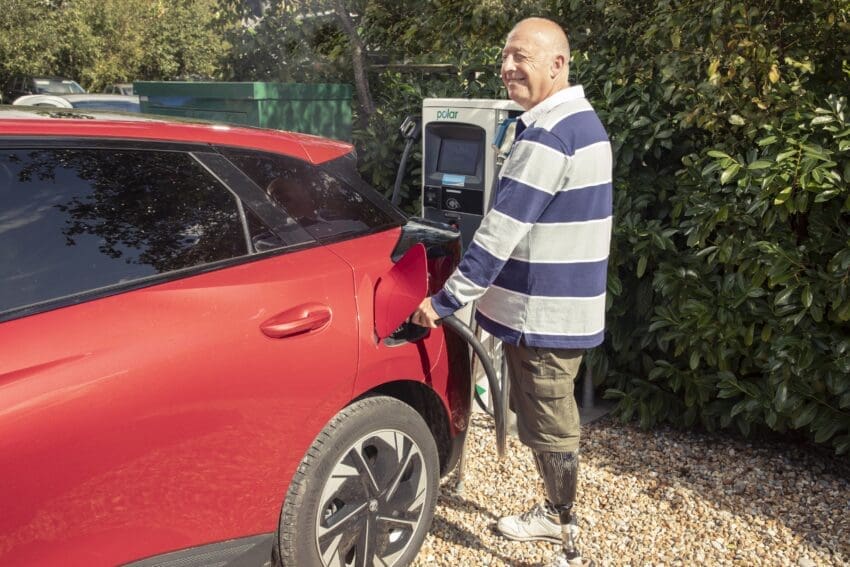
Travel has always contained periods when you are doing very little, whether you are waiting for a train, sitting at a motorway service area or taking a break from a long drive.
The UK had 119,080 public EV chargers on 1 April 2026, including 27,372 rated rapid or above, according to Department for Transport figures. Zapmap recorded 121,171 public chargers across 46,731 locations by the end of June. Those numbers matter for more than convenience, as they show how a practical driving requirement is creating more regular pockets of useful downtime during longer journeys.
When waiting becomes digital downtime
A charging stop can feel different from a traditional petrol station visit, as you plug in before deciding what to do with the minutes ahead. You might grab coffee, check messages, read the news or settle into entertainment. For a longer break, an online live casino can form part of that digital leisure mix, as regulated online gambling services are designed for smartphone access across the UK. Remote gambling for British consumers requires the appropriate Gambling Commission licence.
That habit fits a wider pattern of digital behaviour, as Ofcom reported in 2025 that UK adults spent an average of four and a half hours online each day. Most online time took place on smartphones, with adults using an average of 41 apps each month. When you carry a device that handles navigation, communication and entertainment, a charging break can quickly become another screen-based part of your everyday travel routine.
Why the charging location matters
The location of a charger now matters almost as much as its availability, as the Department for Transport classifies public chargers according to how they support different journey needs. Destination chargers accounted for 52% of public EV chargers on 1 April 2026, with en-route chargers accounting for 11%. That distinction helps you understand why some stops suit a quick top-up, whereas others support more time nearby.
Speed also changes the character of your break, as official figures classify chargers from standard units through standard plus and rapid systems to ultra-rapid chargers of 150kW or above. Zapmap reported that rapid and ultra-rapid chargers represented about 24% of the UK total in June 2026, providing around 60% of overall charging capacity. Ultimately, a faster charger can turn downtime into a shorter, focused interval for you.
Your phone has become part of the journey
Your phone has changed what waiting feels like, as a spare twenty minutes once had fewer obvious uses. Today, you can answer messages, stream a programme, listen to a podcast, browse headlines or check your route before returning to the road. Ofcom’s latest figures show how deeply this behaviour is embedded, with smartphones accounting for most online time among UK adults, where travel creates another setting for habits you already have.
There is a curious tension in that convenience, as you can spend a charging break connected to almost everything without moving anywhere. If you have spent an hour concentrating on traffic, road signs and navigation, a stationary period can feel like permission to switch mental gears. You might use the time for entertainment or you could stretch your legs, have a proper meal or sit quietly before continuing.
Designing a better charging break
Charging infrastructure is increasingly developed around places where people naturally spend time, so the quality of a stop depends on more than the cable beside the parking bay. Cafés, shops, toilets, seating and reliable mobile connectivity all influence how useful those minutes feel. As charging becomes more familiar, you are likely to judge a location through the whole experience, not just through the number displayed on the charger.
That shift makes charging stops interesting from a travel-planning perspective, as your route can involve decisions about how you want to spend your breaks. A rapid charger beside a café could suit you if you want a short reset, whereas a destination charger near a supermarket could fit a longer stop. The journey becomes easier to personalise, as charging time can align with whatever you already need to do.
When downtime becomes a choice
There is also a risk that every spare minute starts to feel like something that needs filling, as smartphones make entertainment available almost instantly. You can turn a quiet break into a stream of videos, messages and notifications without noticing how quickly the time passes. A better approach can be more deliberate, as you decide whether the next twenty minutes should be productive, entertaining, social or free from another screen.
This creates a more personal rhythm for long-distance travel, as two people can arrive at the same charger with completely different ideas about what comes next. You might want coffee and a walk, as another passenger could prefer a film or a few minutes online. Neither approach needs to define the journey, as the value of the break comes from having freedom to use it in a way that suits you.
The journey continues when the car stops
Modern travel is becoming less about separating driving time from leisure time, as the charging stop sits somewhere between the two. The car pauses, your attention moves elsewhere and the journey continues a little later. With more than 121,000 public chargers recorded across the UK, those pauses are becoming a familiar part of road travel. Looking ahead, the interesting question is how you choose to use them on the road.