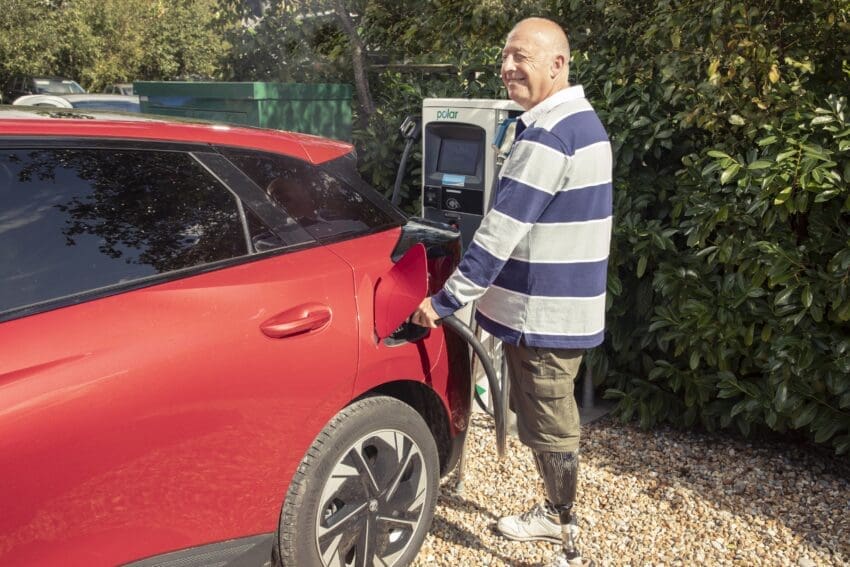
Electric vehicles are becoming increasingly common across London as the city continues its transition toward cleaner transport.
With more residents and businesses adopting EVs, the demand for charging points in homes, office buildings, and commercial premises has grown significantly. While EV chargers offer convenience and environmental benefits, they also introduce new electrical systems that must be installed and managed safely.
Fire safety is an important consideration when installing EV chargers. Like any electrical equipment, EV charging systems carry potential risks if they are not properly installed, maintained, or assessed. Understanding these risks and the safety measures required helps ensure buildings remain safe for occupants and compliant with UK regulations.
Understanding How EV Chargers Can Affect Fire Safety
Increased Electrical Load and System Stress
EV chargers require a high level of electrical power, especially fast chargers. This increased demand can place additional strain on a building’s electrical system. In many London properties, particularly older residential buildings, the electrical infrastructure may not have been designed to handle such loads.
If electrical systems are overloaded, components such as cables and circuit breakers can overheat. Overheating increases the risk of electrical fires, which can pose serious dangers to people and property. Ensuring that the electrical system can safely handle EV charging is a critical step in reducing fire risks.
Faulty Installation and Equipment Risks
Improper installation is one of the most common causes of electrical fires. EV chargers must be installed by qualified electricians who follow UK safety standards. Poor wiring, incorrect circuit protection, or substandard equipment can create conditions that increase the likelihood of fire.
Using certified installers and approved equipment ensures that chargers operate safely and reduces potential risks. Proper installation also ensures that safety devices such as circuit breakers and protective systems function correctly.
Special Considerations for Residential Buildings in London
Challenges in Older Homes
Many homes in London were built decades ago, and their electrical systems may not meet modern standards. Older fuse boards, outdated wiring, or insufficient earthing systems can increase fire risk when introducing new electrical equipment such as EV chargers.
Before installing a charger, it is important to assess whether the home’s electrical system is suitable. In some cases, upgrades may be required to improve safety and compliance.
Safety in Flats and Multi-Occupancy Buildings
Flats and apartment buildings present additional challenges. Shared electrical systems and enclosed parking areas can increase the impact of electrical faults or fires. Fire can spread more quickly in buildings where multiple households share walls, corridors, and services.
Building managers and property owners must ensure that any EV charger installations do not compromise the building’s overall fire safety. Proper planning, professional installation, and electrical assessment help ensure safety for all residents.
Fire Safety Considerations for Commercial Buildings and Workplaces
Protecting Employees and Visitors
Commercial properties in London, including offices, warehouses, and retail premises, are increasingly installing EV chargers to support employees and customers. These installations must be carefully planned to ensure the safety of everyone using the building.
Workplace environments often have more complex electrical systems. Adding EV chargers increases electrical demand, which must be properly managed. Ensuring electrical systems are capable of supporting additional load helps reduce potential fire hazards.
Compliance with UK Fire Safety Regulations
Commercial building owners have legal responsibilities to ensure fire safety. UK fire safety laws require responsible persons to identify risks and implement appropriate safety measures. Guidance on these responsibilities can be found on the official UK government website covering fire safety responsibilities for businesses and landlords.
Compliance with these regulations helps ensure buildings remain safe and reduces legal and financial risks.
Importance of Electrical Inspection and Risk Assessment
Identifying Potential Fire Hazards Before Installation
Electrical inspection is essential before installing an EV charger. A professional electrician evaluates the condition of wiring, fuse boards, earthing systems, and circuit protection. This inspection helps identify potential hazards that could increase fire risk.
Addressing these issues before installation ensures that the charger can operate safely without putting additional strain on the electrical system.
Role of Fire Safety Risk Assessment in EV Charger Installations
A Fire Safety Risk Assessment helps identify fire hazards and evaluates the effectiveness of existing safety measures. This process considers factors such as electrical systems, escape routes, fire detection systems, and building layout.
In London, where buildings often have complex layouts and shared spaces, risk assessment plays an important role in maintaining safety. Identifying and managing fire risks helps protect occupants and ensures compliance with safety regulations.
Safe Installation Practices and Professional Standards
Importance of Using Qualified Electricians
EV chargers must always be installed by qualified electricians who understand UK safety standards. Professional installers ensure that wiring, circuit protection, and safety systems are properly configured.
They also ensure that the installation meets current regulations and operates safely under normal and peak conditions.
Proper Placement of Charging Equipment
The location of EV chargers can affect fire safety. Chargers should be installed in well-ventilated areas and positioned to minimise risk to escape routes and building access points.
Careful placement reduces the potential impact of electrical faults and ensures that emergency exits remain accessible.
Fire Prevention Through Maintenance and Monitoring
Importance of Regular Electrical Checks
Electrical systems can deteriorate over time due to wear and environmental factors. Regular inspections help ensure continued safety and identify problems early.
Maintenance helps prevent overheating, equipment failure, and other issues that could increase fire risk.
Monitoring Charging Equipment Performance
Monitoring EV chargers helps ensure they operate correctly. Signs such as overheating, unusual noises, or system faults should be investigated promptly.
Early detection of issues helps prevent small problems from becoming serious safety hazards.
Supporting London’s Safe Transition to Electric Vehicles
Growing Demand for EV Infrastructure
London’s commitment to reducing emissions has led to increased adoption of electric vehicles. As more chargers are installed across residential and commercial buildings, fire safety becomes an important consideration.
Ensuring safe installation and operation helps support the long-term success of EV infrastructure.
Protecting Property and Occupant Safety
Fire safety measures help protect both people and property. Proper installation, inspection, and maintenance reduce risks and support safe building environments.
These measures also help ensure compliance with legal requirements and safety standards.
Conclusion: Ensuring Safe and Compliant EV Charger Installations
Installing EV chargers in residential and commercial buildings offers significant benefits, but it also requires careful attention to fire safety. Electrical capacity, proper installation, risk assessment, and ongoing maintenance all play essential roles in reducing potential hazards.
London’s transition toward electric vehicles depends on safe and compliant infrastructure. By understanding fire safety considerations and following proper procedures, property owners and businesses can support this transition while protecting occupants and buildings.
For further insight into installation requirements and safety considerations, readers may find this guide on EV charger installation and compliance in the UK helpful, as it provides additional context on preparing properties for safe EV charging.