


EVs deliver a home advantage in the shifting world of energy supply
Kyle Brown, CCO at energy data specialists Chameleon Technology explores how revolutionary charging systems can turn cars into household assets and help create a more flexible energy grid
It finally feels like we’ve tipped over the precipice into mass adoption of electric vehicles. With more and more green licence plates on the road, consumer understanding and opinion of EVs appears to have finally overcome the years of misinformation around EV capabilities and costs.
This may feel like a monumental shift – but the biggest change is still yet to come. The next phase of EVs means their recognition as flexible energy assets, capable of storing electricity and feeding it back into homes or the grid during periods of high demand. If encouraging the mindset shift from petrol to electric felt monumental, the industry faces an even bigger mountain in encouraging consumers to see their car not just as a mode of transport, but as a tool for home energy management.
The strides being made in vehicle-to-everything (V2X) functionality are key to the wider vision of a modernised energy grid: a free-flowing, flexible network of energy, where consumers store or feed excess energy back to the grid. This supports the necessary shift to renewable integrations and wider electrification.
This shift from purely transport to a portable battery will require the industry to really distill the benefits of this capability to the core benefits for households, including reduced energy costs, and improved grid stability.
Home energy habits are changing
EVs are becoming one of the most significant and fast-growing sources of home electricity demand. New analysis based on energy data from 48,000 British households shows that overall energy use fell in December 2025 compared with December 2024 – yet EV charging increased by 6%, making it the only household energy category to record an increase. This highlights how EVs are rapidly shifting from a transport consideration into a core part of a household’s day-to-day energy use.

For manufacturers, this shift presents new opportunities. EVs with intelligent, bi-directional charging capabilities can soon become valid tools for home energy management. Brands can capitalise on these new capabilities to show they’re building something different, something for the homes of now, not just the future.
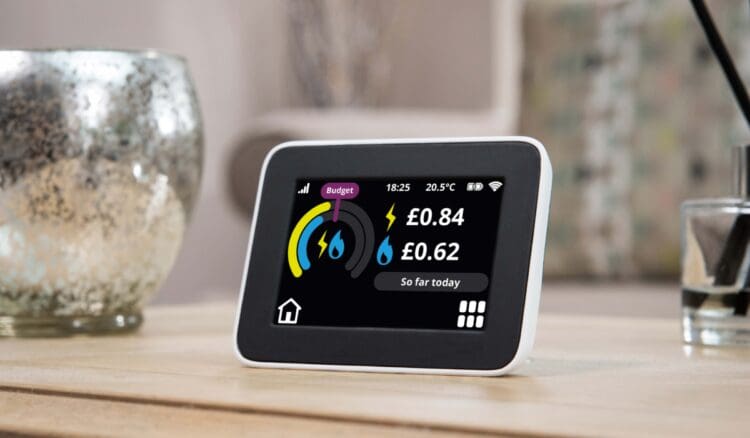
One thing underpins this capability is real-time energy data. It’s absolutely critical for understanding charging patterns, battery levels, and optimisation, and to enable this next shift into V2X.
Transforming EVs into active energy assets
Re-framing the idea of EVs as ‘home batteries on wheels’ will necessitate learning from the original scepticism of EVs. Combating range anxiety meant helping consumers completely re-think how they filled up their cars. It took time, but with the help of special EV energy tariffs and shifting consumer habits, things began to click. The same efforts will be crucial for introducing this idea of mobile batteries with V2X. By framing EVs as a flexible asset for both transportation and helping to bring down energy bills, the idea is to open up the possibilities of what – and how – they can be used. We need to help buyers picture EVs as more than just vehicles alone.
There are a plethora of possibilities to unlock by turning EVs into active energy assets. But cultivating this V2X system relies on real-time energy data. Why? Understanding the amount of energy used, and the behaviours behind this usage, is integral to recognising how best EVs can become active energy assets.


For consumers, this real-time data will be a crucial part of incentivising uptake. For innovators, data overcomes any friction between an initial idea and proving the use case. If they can see how much energy an EV could provide to their house – and how much money this could save them – then they’re far more likely to become active participants in V2X.
Supporting grid flexibility and Net Zero targets
The aim behind vehicle-to-grid (V2G) is that EV owners can provide energy back to the grid to enhance its flexibility and efficiency. In return, these owners receive payment for it. Then, when it comes to vehicle-to-home (V2H), if consumers can see when there are surges in demand they can plug their vehicle into their home at peak times to avoid paying for grid electricity. It’s a mutually beneficial relationship.
Crucially, all of this helps to reduce the level of strain on the grid, while also plugging the gap when renewable energy supplies are naturally lower.
V2X’s success and scale hinges on industry collaboration
When aggregated and anonymised across tens of thousands of homes, the data collected from V2X could provide an invaluable resource for organisations in the sector. For example, energy providers could precisely understand consumer habits when creating their next tariffs, helping them balance demand and offer incentivising more tariffs to encourage flexible behaviour.
Full V2X capabilities are still subject to regulations and further innovation. But to truly unlock scale, the industry – whether that’s manufacturers, dealerships, energy providers or regulators – has to collaborate. With energy, each sector impacts and affects the other.
Real-time energy data can help paint the picture of what is actually happening in homes, and what is needed to move forward. If the industry collectively agrees on best practices and messaging, then V2X has the potential to reach adoption in a fraction of the time it has taken for EVs to reach the mainstream. This is the necessary bridge between consumers and OEMs; real-time, real human energy data is integral to facilitating V2X.
If the industry can collectively drive forward a cohesive vision of EVs not only as vehicles but as strategic energy assets, then the future of a fully-flexible, electrified grid is an awful lot closer to realisation.